What is Kalshi? US-Regulated Event Contracts Explained
Introduction
TL;DR
- Kalshi is a US-regulated exchange offering event contracts for predicting real-world outcomes.
- Event contracts are Yes/No predictions with binary payouts: $1 if correct and $0 if wrong.
- CFTC regulation ensures legal compliance and financial security for U.S. traders.
- Unlike decentralized platforms, Kalshi provides a regulated, tax-compliant alternative with institutional-grade security.
What is an Event Contract?
Why Kalshi’s US-Regulated Status Matters
- Legal Security: U.S. residents can trade on Kalshi knowing that it’s governed by the Commodity Futures Trading Commission (CFTC), which ensures that it operates within the law and is subject to federal oversight.
- Financial Protection: Funds are held in a regulated clearinghouse, offering financial security to traders.
- Tax Compliance: Since Kalshi operates under U.S. law, traders can expect transparent tax reporting and easy access to tax-related documents.
How Kalshi’s Event Contracts Work: The Mechanics
- Binary Payout System: If the event occurs, the Yes contract pays out $1; if it doesn’t, it pays $0.
- Market Prices Reflect Probability: For instance, if the Yes price for an event is $0.75, the market believes there’s a 75% chance of the event happening. The No price reflects the inverse (in this case, $0.25).
Kalshi vs. Polymarket: Legal and Operational Differences
Feature | Kalshi (US-regulated) | Polymarket (Decentralized) |
Regulation | Fully regulated by the CFTC | Operates without government oversight |
Legal Compliance | Ensures tax and legal compliance in the U.S. | Legal grey area for U.S. residents |
Onboarding | Requires KYC for U.S. users | No-KYC required, anonymous trading |
Trading Fees | Relatively higher due to operational costs | Typically lower, but depends on platform |
Payout Structure | Simple binary payouts ($1 if correct) | Similar, but decentralized mechanisms may vary |
Political Forecasting on Kalshi:
- Election Markets: Kalshi offers prediction markets for U.S. elections, where users can trade on the likelihood of candidates winning, the passing of legislation, or other political outcomes.
- Policy Predictions: Users can also predict policy changes, like tax reform or changes in healthcare policy. This makes Kalshi an essential tool for those who want to engage in political forecasting and understand the public's sentiment around political events.
FAQ
Q1: How are Kalshi’s event contracts priced?
Q2: What advantages does Kalshi offer over Polymarket?
Q3: Can I use Kalshi for political forecasting?
Q4: How do I get started on Kalshi?
Conclusion
Disclaimer:
Popular Articles
Information Markets vs. Sports Betting: What is the Difference?
IntroductionWhen it comes to making predictions about the future, information markets and sports betting often come up as two popular options. However, they differ significantly in terms of their stru
Will XRP Replace SWIFT? What Investors Need to Know
Every time XRP makes headlines, the same debate resurfaces — can a cryptocurrency actually challenge the backbone of global banking?SWIFT has moved trillions of dollars across borders for decades, but
XRP Liquidation Imbalance Explained: What Traders Need to Know
When XRP's price drops just a few percent, millions of dollars in leveraged positions can be wiped out within minutes.That's not a glitch — that's a liquidation imbalance in action, and it's one of th
XRP Rich List: Top Holders, Wallet Distribution, and Where You Rank
Most XRP investors have no idea where they rank among millions of holders worldwide.The XRP Rich List is a publicly visible, real-time ranking of every wallet on the XRP Ledger, sorted by balance.Whet
Related Articles
Information Markets vs. Sports Betting: What is the Difference?
IntroductionWhen it comes to making predictions about the future, information markets and sports betting often come up as two popular options. However, they differ significantly in terms of their stru
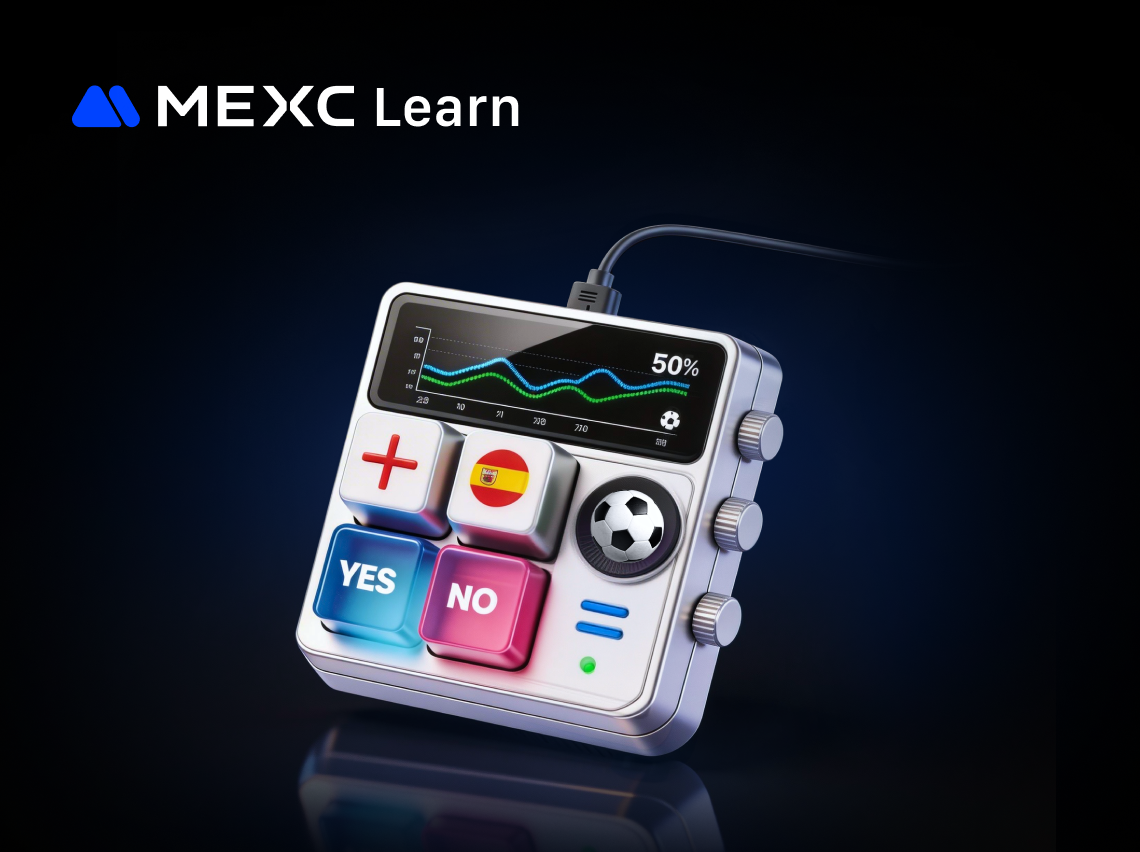
What is Kalshi? US-Regulated Event Contracts Explained
IntroductionKalshi is a US-regulated exchange specializing in event contracts, where users can predict the outcomes of real-world events, such as elections, economic shifts, or even weather patterns.
Will XRP Replace SWIFT? What Investors Need to Know
Every time XRP makes headlines, the same debate resurfaces — can a cryptocurrency actually challenge the backbone of global banking?SWIFT has moved trillions of dollars across borders for decades, but
XRP Liquidation Imbalance Explained: What Traders Need to Know
When XRP's price drops just a few percent, millions of dollars in leveraged positions can be wiped out within minutes.That's not a glitch — that's a liquidation imbalance in action, and it's one of th