Strait of Hormuz Crisis: Trump Confirms Vital Waterway Will Reopen Naturally After Conflict Resolution
BitcoinWorld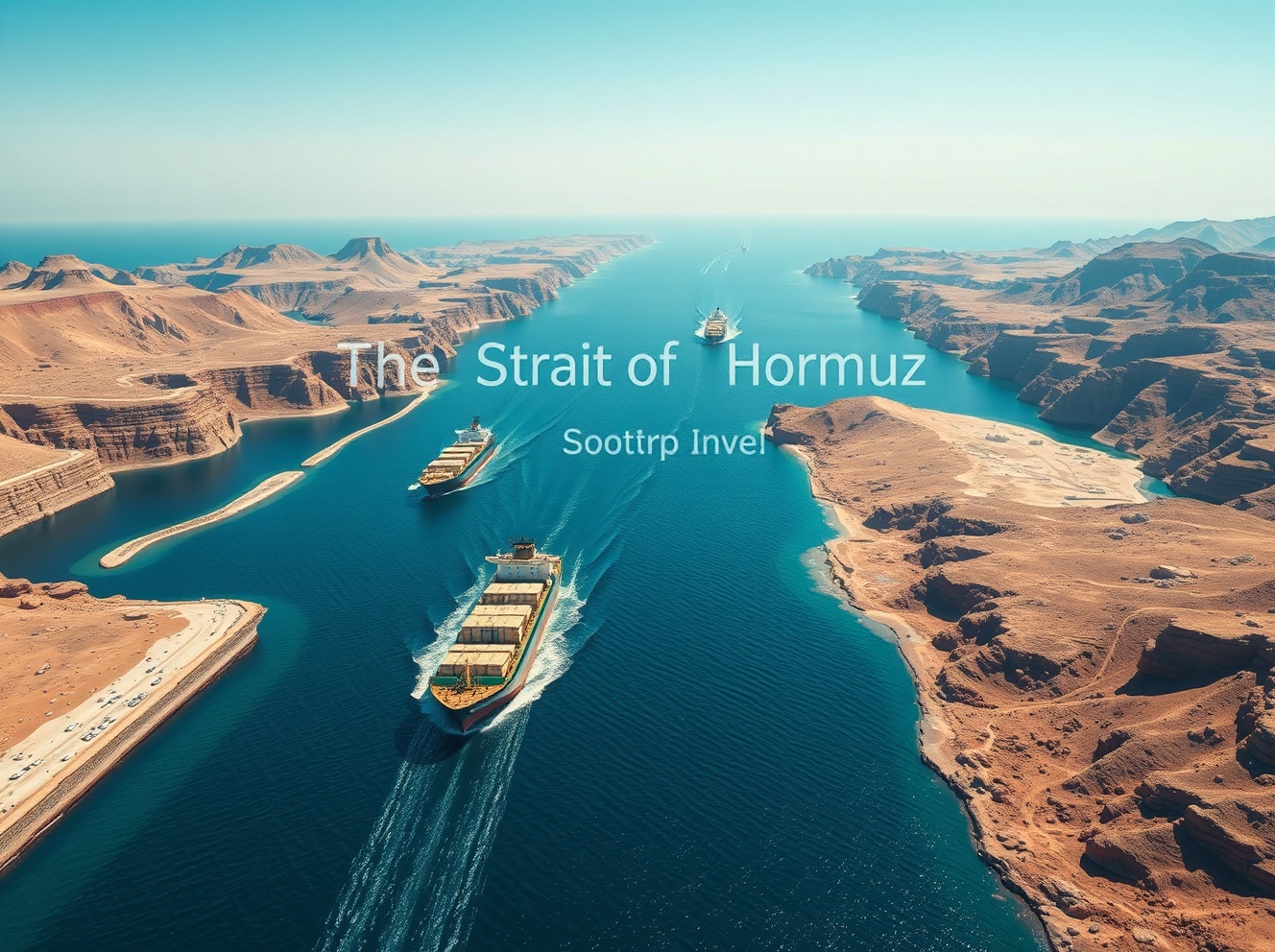
Strait of Hormuz Crisis: Trump Confirms Vital Waterway Will Reopen Naturally After Conflict Resolution
WASHINGTON, D.C. – In a significant national address, President Donald Trump declared that the Strait of Hormuz will reopen naturally once current regional conflicts conclude, while simultaneously emphasizing unprecedented U.S. economic preparedness and energy independence. This statement carries substantial implications for global oil markets, geopolitical stability, and international trade routes that handle approximately 21 million barrels of oil daily.
Strait of Hormuz Geopolitical Significance
The Strait of Hormuz represents one of the world’s most critical maritime chokepoints. Consequently, this narrow passage connects the Persian Gulf with the Gulf of Oman and the Arabian Sea. Moreover, approximately one-third of the world’s seaborne oil passes through this 21-mile wide channel. Therefore, any disruption immediately impacts global energy prices and supply chains.
President Trump’s remarks specifically addressed this strategic vulnerability. “The United States has never needed the Strait of Hormuz,” Trump asserted during his address. He further emphasized domestic energy production capabilities that have transformed America’s global position. Additionally, he projected significant near-term increases in oil output.
Historical data supports the waterway’s economic importance:
| Year | Oil Volume (Million Barrels/Day) | Percentage of Global Trade |
|---|---|---|
| 2020 | 18.5 | 30% |
| 2022 | 20.1 | 32% |
| 2024 | 21.2 | 33% |
U.S. Energy Independence and Market Dynamics
Trump’s statement reflects a fundamental shift in American energy policy. The United States transitioned from net importer to net exporter during his administration. Currently, domestic production exceeds 13 million barrels per day. This production capacity provides substantial insulation from global supply disruptions.
Several key factors contribute to this energy security position:
- Shale Revolution: Technological advances unlocked vast reserves
- Infrastructure Investment: Pipeline and export terminal expansion
- Regulatory Environment: Streamlined permitting processes
- Strategic Reserves: 714 million barrel petroleum reserve
Market analysts immediately responded to the presidential address. Furthermore, oil futures showed moderate volatility following the remarks. However, most experts anticipate stabilization once conflict resolution becomes apparent.
Expert Analysis on Maritime Security
Naval strategists emphasize the Strait’s unique challenges. The channel’s narrow width restricts vessel maneuverability. Additionally, its proximity to contested territories creates persistent security concerns. International law guarantees transit passage through such straits. Nevertheless, regional tensions frequently test these provisions.
Dr. Elena Rodriguez, maritime security expert at Georgetown University, explains: “The statement reflects confidence in alternative supply routes and domestic production. However, global markets remain interconnected. Therefore, prolonged closure would still impact U.S. consumers through price mechanisms.”
Recent incidents demonstrate ongoing vulnerabilities. For instance, tanker attacks in 2024 temporarily increased insurance premiums by 300%. Similarly, naval exercises sometimes restrict commercial traffic. These events highlight the delicate balance between military presence and free navigation.
Conflict Resolution and Economic Projections
President Trump connected Strait of Hormuz accessibility with broader conflict resolution. “Once the conflict is over, the strait will open naturally,” he stated. This perspective assumes regional actors will resume normal operations post-conflict. Historical patterns generally support this assumption.
The address also projected economic recovery across multiple sectors:
- Capital Markets: Anticipated stock market recovery
- Shipping Industry: Reduced insurance and operating costs
- Manufacturing: Lower energy input expenses
- Consumer Sector: Decreased transportation and heating costs
Global economic interdependence means resolution benefits extend beyond regional actors. European and Asian economies particularly depend on Hormuz transit. Consequently, their manufacturing sectors would experience immediate relief. Supply chain managers worldwide monitor the situation closely.
Historical Precedents and Future Scenarios
Previous disruptions provide valuable context. The 2019 tanker attacks caused brief but significant market reactions. Similarly, the 2021 diplomatic standoff temporarily reduced transit volumes. In each case, markets adapted through inventory drawdowns and route adjustments.
Energy economists identify several probable outcomes:
First, complete resolution would restore pre-conflict transit levels within weeks. Second, partial resolution might maintain elevated insurance premiums. Third, prolonged uncertainty could accelerate alternative energy investments. Each scenario carries distinct implications for global energy markets.
Regional diplomacy plays a crucial role in normalization. Multilateral agreements typically follow conflict cessation. These agreements often include enhanced monitoring mechanisms. Furthermore, they sometimes establish communication protocols between naval forces.
Global Energy Market Implications
The presidential address arrives during significant market transformation. Renewable energy adoption continues accelerating worldwide. However, petroleum remains dominant for transportation and industry. Therefore, Strait of Hormuz accessibility maintains critical importance.
Several concurrent developments shape the energy landscape:
- Energy Transition: Gradual shift toward electrification
- Arctic Shipping: Developing alternative northern routes
- Pipeline Networks: Expanding land-based transportation
- Storage Technology: Improving strategic reserve management
These developments gradually reduce but do not eliminate chokepoint vulnerabilities. Most analysts project petroleum dominance through 2040 at minimum. Consequently, maritime security remains a priority for energy importing nations.
Conclusion
President Trump’s statement regarding the Strait of Hormuz reflects evolving global energy dynamics and U.S. strategic positioning. The assertion that the vital waterway will reopen naturally post-conflict aligns with historical patterns of maritime normalization. Meanwhile, emphasized U.S. energy independence provides context for America’s reduced vulnerability to such chokepoints. Global markets will continue monitoring regional developments closely, as resolution promises substantial economic benefits across multiple sectors and geographies.
FAQs
Q1: Why is the Strait of Hormuz so important to global oil markets?
The Strait handles approximately 21 million barrels of oil daily, representing about one-third of global seaborne petroleum trade. Its narrow geography creates a natural chokepoint where disruptions immediately impact worldwide energy supplies and prices.
Q2: What did President Trump mean by “the U.S. has never needed the Strait of Hormuz”?
This statement references America’s transition to energy independence through domestic shale production, which reached over 13 million barrels per day. The U.S. now exports more petroleum than it imports, reducing vulnerability to Middle Eastern supply disruptions.
Q3: How quickly could the Strait of Hormuz reopen after conflict resolution?
Historical precedents suggest commercial shipping could resume near-normal levels within weeks following diplomatic resolutions. However, complete market confidence restoration might require several months of incident-free operations.
Q4: What are the main alternatives to Strait of Hormuz transit?
Alternatives include pipeline networks crossing Saudi Arabia and the UAE, expanded Russian pipeline capacity, developing Arctic shipping routes, and increased use of the Bab el-Mandeb Strait, though all have limitations compared to Hormuz capacity.
Q5: How would Strait of Hormuz reopening affect ordinary consumers?
Consumers would likely experience gradually decreasing fuel prices as transportation costs decline. Manufacturing and retail sectors would benefit from reduced energy expenses, potentially lowering prices for various goods over time.
This post Strait of Hormuz Crisis: Trump Confirms Vital Waterway Will Reopen Naturally After Conflict Resolution first appeared on BitcoinWorld.


Ayrıca Şunları da Beğenebilirsiniz

Ondo Finance Launches USDY Yieldcoin on Stellar, Bringing Tokenized U.S. Treasuries to Users

MetaMask Token is Coming ‘Sooner’ Than Expected: Consensys CEO