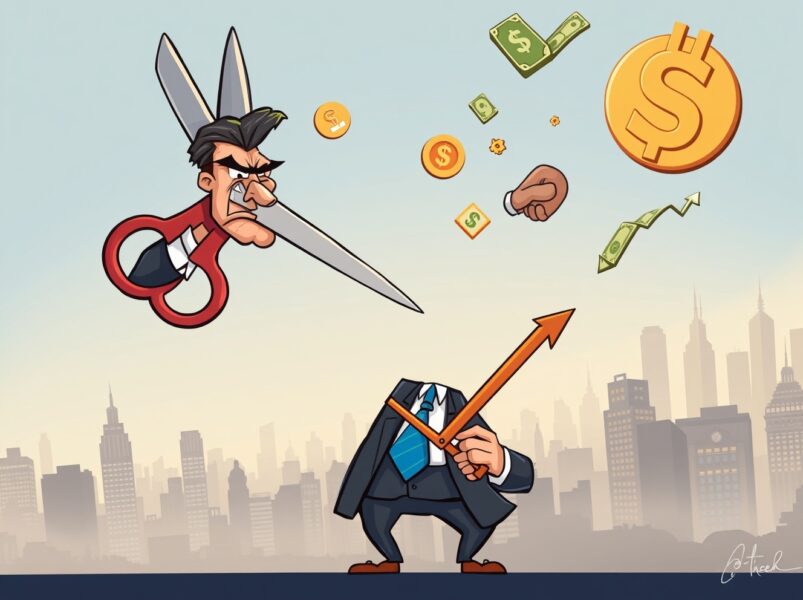
Completing and filing your missed returns now can save you a bundle (and possibly even jail time) later. The post Late filers: Get your back taxes sorted before year-end appeared first on MoneySense.Completing and filing your missed returns now can save you a bundle (and possibly even jail time) later. The post Late filers: Get your back taxes sorted before year-end appeared first on MoneySense.

Late filers: Get your back taxes sorted before year-end

The last day on which tax practitioners can electronically file clients’ returns for tax years 2017 to 2024, as well as amended T1 returns for 2021 to 2024 using ReFILE services, before an annual month-long pause, is January 30, 2026. But there are important reasons for late T1 filers to add tax preparation to their holiday “to do” list and get any missed returns filed well before December 31.

Consider the following: 

The backdrop. Under the Income Tax Act, the normal reassessment period is three years from the date the notice of assessment or reassessment is mailed or received. However, under the taxpayer relief provisions, it is possible to request adjustments for errors or omissions for personal returns for 10 years. 

Tax year 2015 in focus. Tax year 2015 will become statute-barred under the 10-year taxpayer relief provisions after December 31, 2025. That means, for the 2015 tax year, the following opportunities to save tax dollars now and in the future will be lost:

  1. Tax refunds owed to you for the 2015 tax year.
  2. The opportunity to build RRSP contribution room for tax year 2015, which reduces the potential for retirement income security in the future.
  3. Deductions and non-refundable tax credits that have “carry over” legs attached to them, such as moving expenses, medical expenses, charitable donations and political contributions.
  4. Refundable tax credits owed such as Canada Child Benefit, GST/HST Credit, Canada Workers Benefit, and refundable medical expense supplement.
  5. Unreported losses including capital and non-capital losses will not be available to offset their respective income sources for 2015 or for carry-over purposes. This can significantly increase future taxes payable in some cases.
  6. The opportunity to use the lifetime capital gains exemption for dispositions that occurred in 2015. 
  7. AMT (Alternative Minimum Tax) carry-forwards from prior years can no longer be applied to 2015.

Spousal returns could be affected. When one spouse fails to file, it means that household income is not properly reported for income-tested provisions. If the spouse who filed on time didn’t estimate their missing spouse’s net income properly, it is possible some of the tax preferences received by spouse who filed on time will have to be repaid in the event of a CRA audit, and/or taxes payable will be increased. In some situations, for example when certain properties are transferred or there are joint financial transactions, spouses may also liable for each other’s tax debts. 

Also read

Income Tax Guide for Canadians

Deadlines, tax tips and more

Provincial tax credits have different rules. Not all provisions on the federal T1 return qualify for a 10-year adjustment for errors or omissions. The normal reassessment period for federal returns— three years from the date of the original notice of assessment—is all that is available for these purposes in most provinces. In Quebec that reassessment period is four years.  

Pension income splitting with spouse. Certain elections that can reduce your taxes have different filing rules as well. For example, optimization of pension income splitting or joint elections to do the income splitting on Form T1032 have a three-year window only—that is, three calendar years after the filing due date. In the 2023 tax year for example, which had a filing deadline of April 30, 2024, adjustments can only be made for tax years 2024, 2025 and 2026. Taken another way, by April 30, 2026, adjustments for this provision can only be made for calendar year 2025, 2024, and 2023. 

Beware the loss of social benefits. It is only possible to go back 11 months to claim missed Old Age Security (OAS) benefits that were not deferred, unless there was a severe incapacity that kept the senior from applying for the benefits. OAS is income-tested; that is, a clawback of the benefits you are entitled to may occur when net income exceeds certain thresholds for the year. So, filing a tax return is necessary.

Other social benefits include the new Canada Dental Care Plan (CDCP) and the Canada Disability Benefit (CDB).  

  • Under the CDCP, the CRA may reconsider an entitlement if you apply within 24 months after the benefit period ends. However, if a false or misleading statement was made, the government has 72 months (six years) to recover this tax debt from you. 
  • The CDB, available since July 2025, allows for retroactive payments for up to 24 months if you were eligible during that time, starting in July 2025. Again, the government has a six-year limitation period to recover any overpayments from beneficiaries.

Why late filing is generally a bad idea

It always pays to file a tax return on time for the reasons above. The missed deadlines can cost even more when timelines for other provisions come into play. Overdue taxes owing attract big penalties and interest. There are a number of expensive penalties that can pile up—with compounding interest charges and of course the taxes themselves due—for people who owe money to the CRA and miss filing their returns. These may be deemed one or more of:

  • Gross negligence. This is a civil penalty CRA can levy for turning a blind eye to tax filing obligations. It is calculated at 50% of the taxes due. Interest compounded at the prescribed rate plus 4% more can turn the tax balance due into a rapidly snowballing problem. Late filing penalties are of course added on as well.
  • Tax evasion. Other punitive penalties that may be possible in the case of deceit include tax evasion, which results in a penalty worth 200% of the taxes owing plus compounding interest plus civil penalties and up to five years in jail.
  • Tax fraud. Under Section 380 of the Criminal Code, delinquent tax filers may receive a sentence of up to 14 years in prison. Other consequences include fingerprinting and foreign-travel restrictions.

To pay the least possible when you owe CRA, first have a tax specialist confirm the taxes were assessed correctly by the agency (sometimes they aren’t, due to missing information or certain gray areas in the law). Then pay quickly. 

Bottom line

Always bear in mind that access to any tax preferences and benefits starts with filing a tax return. Plan well before the end of 2025 to catch up. File missed tax returns or request adjustments for errors or omissions. There might even be a little financial freedom coming your way compliments of CRA in 2026. 

Newsletter

Get free MoneySense financial tips, news & advice in your inbox.

Read more about how to minimize taxes:

  • A wish list for Carney’s fall budget
  • How the Canada GST/HST tax credit works
  • Tax implications of giving your spouse money to invest
  • How to set up CRA direct deposit

The post Late filers: Get your back taxes sorted before year-end appeared first on MoneySense.

Piyasa Fırsatı
GET Logosu
GET Fiyatı(GET)
$0.00182
$0.00182$0.00182
-17.64%
USD
GET (GET) Canlı Fiyat Grafiği
Sorumluluk Reddi: Bu sitede yeniden yayınlanan makaleler, halka açık platformlardan alınmıştır ve yalnızca bilgilendirme amaçlıdır. MEXC'nin görüşlerini yansıtmayabilir. Tüm hakları telif sahiplerine aittir. Herhangi bir içeriğin üçüncü taraf haklarını ihlal ettiğini düşünüyorsanız, kaldırılması için lütfen service@support.mexc.com ile iletişime geçin. MEXC, içeriğin doğruluğu, eksiksizliği veya güncelliği konusunda hiçbir garanti vermez ve sağlanan bilgilere dayalı olarak alınan herhangi bir eylemden sorumlu değildir. İçerik, finansal, yasal veya diğer profesyonel tavsiye niteliğinde değildir ve MEXC tarafından bir tavsiye veya onay olarak değerlendirilmemelidir.

Ayrıca Şunları da Beğenebilirsiniz

Crucial Insights: Two Fed Interest Rate Cuts on the Horizon?
Crucial Insights: Two Fed Interest Rate Cuts on the Horizon?

BitcoinWorld Crucial Insights: Two Fed Interest Rate Cuts on the Horizon? The financial world is buzzing with discussions around the future of monetary policy, and a recent statement from a key Federal Reserve official has added fuel to the fire. Investors, businesses, and consumers alike are keenly watching for signals regarding potential Fed interest rate cuts and their broader economic implications. What’s Driving Talk of Fed Interest Rate Cuts? Neel Kashkari, the president of the Minneapolis Federal Reserve Bank, recently made headlines by stating his belief that two additional Fed interest rate cuts would be appropriate this year. This isn’t the first time Kashkari has shared this perspective; he expressed a similar view back in August. His comments offer a glimpse into the ongoing internal debates and varying outlooks among policymakers regarding the optimal path for the nation’s economy. Understanding the context behind such statements is crucial. The Federal Reserve uses interest rates as a primary tool to manage inflation and support employment. When inflation is high, the Fed typically raises rates to cool down economic activity. Conversely, when economic growth slows or inflation targets are met, the Fed might consider cutting rates to stimulate spending and investment. How Do Fed Interest Rate Cuts Impact You? The prospect of Fed interest rate cuts carries significant weight for everyone. For instance, lower interest rates generally translate to: Cheaper Borrowing: Mortgages, car loans, and credit card interest rates can decrease, making it more affordable for consumers to borrow money. This can encourage home buying and larger purchases. Business Investment: Companies find it less expensive to borrow for expansion, new projects, and hiring, potentially boosting economic growth and job creation. Stock Market Performance: Lower rates can make bonds less attractive, pushing investors towards stocks, which might see increased valuations. This can also signal a more optimistic economic outlook. Savings Account Returns: On the flip side, interest rates on savings accounts and Certificates of Deposit (CDs) might also fall, offering lower returns for savers. These ripple effects touch various sectors, from housing to retail, and even extend into the cryptocurrency markets, where investor sentiment is often influenced by broader economic conditions and liquidity. Navigating the Economic Landscape: Why Are Policymakers Divided on Fed Interest Rate Cuts? While some policymakers, like Kashkari, see the appropriateness of multiple Fed interest rate cuts, others may hold different views. The Federal Reserve’s decisions are complex, balancing the need to control inflation with the goal of maintaining maximum employment. Key factors influencing these decisions include: Inflation Data: The pace at which inflation is returning to the Fed’s 2% target is a primary concern. Sustained progress is needed. Employment Figures: A strong job market might give the Fed more leeway to keep rates higher for longer, whereas signs of weakness could prompt cuts. Global Economic Conditions: International economic trends and geopolitical events can also influence the Fed’s domestic policy decisions. Market Expectations: The Fed also considers how financial markets are pricing in future rate movements, aiming to avoid undue volatility. The path forward is rarely straightforward, and the Fed’s approach is often described as data-dependent, meaning decisions can shift as new economic information becomes available. The Outlook for Future Fed Interest Rate Cuts Kashkari’s consistent view on two Fed interest rate cuts this year provides an important perspective, but it’s essential to remember that he is one voice among many on the Federal Open Market Committee (FOMC). The committee as a whole determines monetary policy through a consensus-driven process. As the year progresses, market participants will be closely monitoring upcoming inflation reports, employment data, and official Fed statements for further clarity. The timing and magnitude of any potential rate adjustments will significantly shape the economic environment, influencing everything from investment strategies to everyday household budgets. In summary: Neel Kashkari’s consistent advocacy for two Fed interest rate cuts this year highlights a potential shift in monetary policy. These cuts, if they materialize, could offer relief to borrowers, stimulate economic activity, and impact various markets. However, the ultimate decision rests with the broader Federal Reserve committee, which weighs a multitude of economic indicators before acting. Frequently Asked Questions (FAQs) Q1: What does it mean when the Fed cuts interest rates? When the Federal Reserve cuts interest rates, it generally means they are reducing the cost for banks to borrow money. This, in turn, often leads to lower interest rates for consumers and businesses on loans like mortgages, car loans, and credit cards, aiming to stimulate economic activity. Q2: Why would the Fed consider two Fed interest rate cuts this year? The Fed might consider two interest rate cuts if they believe inflation is consistently moving towards their 2% target, or if there are signs of slowing economic growth that could benefit from stimulation. Policymakers like Kashkari may feel the current rates are too restrictive given the economic outlook. Q3: How quickly do Fed interest rate cuts affect the economy? The effects of Fed interest rate cuts can be seen relatively quickly in financial markets, but they typically take several months to fully filter through to the broader economy, impacting consumer spending, business investment, and inflation. Q4: Will Fed interest rate cuts impact my cryptocurrency investments? While not a direct impact, Fed interest rate cuts can indirectly affect cryptocurrency markets. Lower traditional interest rates might make riskier assets like cryptocurrencies more attractive to investors seeking higher returns. Additionally, a more liquid and stimulated economy can sometimes boost overall market sentiment, benefiting crypto assets. Q5: Who is Neel Kashkari? Neel Kashkari is the president of the Federal Reserve Bank of Minneapolis. He is one of the twelve regional Federal Reserve Bank presidents who contribute to the Federal Open Market Committee (FOMC) discussions, which set the nation’s monetary policy. Did you find this article insightful? Share your thoughts and help others understand the potential impact of future Fed decisions! You can share this article on your favorite social media platforms. To learn more about the latest crypto market trends, explore our article on key developments shaping Bitcoin price action. This post Crucial Insights: Two Fed Interest Rate Cuts on the Horizon? first appeared on BitcoinWorld.
Paylaş
Coinstats2025/09/19 19:35
US Senators Introduce SAFE Crypto Act to Target Rising Crypto Scams

US Senators Introduce SAFE Crypto Act to Target Rising Crypto Scams

The post US Senators Introduce SAFE Crypto Act to Target Rising Crypto Scams appeared first on Coinpedia Fintech News Crypto scams are getting faster, smarter and
Paylaş
CoinPedia2025/12/17 18:33
Crypto.com Data Leak Revealed: Hidden Attack Exposed by Bloomberg

Crypto.com Data Leak Revealed: Hidden Attack Exposed by Bloomberg

Bloomberg exposes Crypto.com’s 2023 user data leak. The perpetrators used phishing to access employee accounts, compromising privacy. A data breach that occurred in 2023 at Crypto.com compromised the personal information of its users, according to a disclosure by Bloomberg.  The hacking was planned by a well-known hacker organization known as Scattered Spider.  This team was […] The post Crypto.com Data Leak Revealed: Hidden Attack Exposed by Bloomberg appeared first on Live Bitcoin News.
Paylaş
LiveBitcoinNews2025/09/23 03:00