Amid the controversial launch of Kanye West’s official memecoin on Solana, the crypto community has sounded the alarm for another potential celebrity token scam, with insider trading allegations outshining Ye’s party. Related Reading: Chainlink Eyes Crucial Resistance After $25 Reclaim – Breakout Or Breakdown Next? The Rise And Fall Of YZY On Wednesday night, controversial Hip-Hop artist and public figure Ye, better known as Kanye West, launched his official memecoin, YZY, on the Solana blockchain. West announced the token in his X account, posting the contract address (CA) in a picture with the caption “YEEZY MONEY IS HERE. A NEW ECONOMY, BUILT ON CHAIN.” After the announcement, the memecoin skyrocketed to a market capitalization of $3.1 billion before quickly dropping 65% to the $1.1 billion mark in the following hours. Meanwhile, YZY’s price went from an all-time high (ATH) of $3.16 to hover between the $0.95-$1.30 price range. The crypto community reported multiple red flags, including allegations of insider trading and a lawsuit waiver. Notably, the official website has a controversial waiver that raised concerns among investors. In the “What Else Should I Know?” section, the website stated that by purchasing the token, investors agree they “will not bring, join or participate in any class action lawsuit as to any claim, dispute or controversy” that they may have against any of the “Covered Parties.” “if you’re buying this ur literally giving them permission to rug you without consequences,” a community member noted. Nonetheless, investors may opt out of the dispute resolution provision by “providing written notice of your decision within thirty (30) days of the date that you first access the Website,” the page reads. Ye’s Memecoin Supply Owned By Insiders Conor Grogan, director at Coinbase, estimated that at least 94% of the supply was owned by insiders, with 87% of the token being held by a single multisig wallet before it was distributed to multiple wallets. According to the “YZYNOMICS”, 20% of the token’s distribution would be for public supply, 10% for liquidity, and 70% for Yeezy Investments LLC. On-chain analytics firm Bubblemaps affirmed that “the bubble map of YZY mostly MATCHES the distribution on Kanye’s website,” cautioning that “the 17% address ‘public supply’ is UNLOCKED and can sell at any time.” Lookonchain highlighted that only YZY had been added to the liquidity pool, with no USDC, warning that the “Dev may sell YZY by adding/removing liquidity, similar to LIBRA.” Additionally, they noted that multiple insider wallets had prepared funds in advance and bought the memecoin, with one address knowing the CA and attempting to purchase YZY yesterday. The on-chain wallet tracker also cautioned that West had added 30 million YZY, worth $34 million, to the liquidity pool with a price range of $3.17-$4.49, signaling that “once the price climbs above $3.1716, he’ll start earning fees while gradually selling YZY for USDC. If the price rises above $4.4929, all 30M YZY will be sold.” Investors See Red Numbers On-chain researcher Defioasis affirmed that the YZY launch was “more of the same,” revealing that, so far, most wallets holding West’s memecoin are in the red. According to their analysis, 56,050 addresses traded the token in the past 13 hours, with 25,166, or 44.9% of the wallets, engaging in one-sided transactions. Out of these addresses, 23,723 only bought the memecoin, while 1,443 only sold it. They suggested that “some of the former may be dust addresses aimed at increasing the number of addresses, while others are either holding onto their positions or stuck in losses,” adding, “The latter are primarily project teams/large holders using multiple addresses to sell, making it harder to track them directly.” Related Reading: Bitcoin Risks Drop Below $110,000 Despite Bounce – Is A 15% Pullback Coming? Meanwhile, 30,884 addresses had two-way transactions, with 38.07% of addresses registering realized profits. 30% of these wallets had a profit of up to $500, while only 1.31% of them had profits exceeding $10,000. Among this 1%, only 5 addresses had over $1 million in profits, with one of them being identified as an insider. On the contrary, over 60% of participants are still in a loss position, the report noted, with 28.2% of the addresses losing up to $500. By the time of the Defioasis post, one individual had lost over $1 million, while another had lost around half a million. Featured Image from Unsplash.com, Chart from TradingView.comAmid the controversial launch of Kanye West’s official memecoin on Solana, the crypto community has sounded the alarm for another potential celebrity token scam, with insider trading allegations outshining Ye’s party. Related Reading: Chainlink Eyes Crucial Resistance After $25 Reclaim – Breakout Or Breakdown Next? The Rise And Fall Of YZY On Wednesday night, controversial Hip-Hop artist and public figure Ye, better known as Kanye West, launched his official memecoin, YZY, on the Solana blockchain. West announced the token in his X account, posting the contract address (CA) in a picture with the caption “YEEZY MONEY IS HERE. A NEW ECONOMY, BUILT ON CHAIN.” After the announcement, the memecoin skyrocketed to a market capitalization of $3.1 billion before quickly dropping 65% to the $1.1 billion mark in the following hours. Meanwhile, YZY’s price went from an all-time high (ATH) of $3.16 to hover between the $0.95-$1.30 price range. The crypto community reported multiple red flags, including allegations of insider trading and a lawsuit waiver. Notably, the official website has a controversial waiver that raised concerns among investors. In the “What Else Should I Know?” section, the website stated that by purchasing the token, investors agree they “will not bring, join or participate in any class action lawsuit as to any claim, dispute or controversy” that they may have against any of the “Covered Parties.” “if you’re buying this ur literally giving them permission to rug you without consequences,” a community member noted. Nonetheless, investors may opt out of the dispute resolution provision by “providing written notice of your decision within thirty (30) days of the date that you first access the Website,” the page reads. Ye’s Memecoin Supply Owned By Insiders Conor Grogan, director at Coinbase, estimated that at least 94% of the supply was owned by insiders, with 87% of the token being held by a single multisig wallet before it was distributed to multiple wallets. According to the “YZYNOMICS”, 20% of the token’s distribution would be for public supply, 10% for liquidity, and 70% for Yeezy Investments LLC. On-chain analytics firm Bubblemaps affirmed that “the bubble map of YZY mostly MATCHES the distribution on Kanye’s website,” cautioning that “the 17% address ‘public supply’ is UNLOCKED and can sell at any time.” Lookonchain highlighted that only YZY had been added to the liquidity pool, with no USDC, warning that the “Dev may sell YZY by adding/removing liquidity, similar to LIBRA.” Additionally, they noted that multiple insider wallets had prepared funds in advance and bought the memecoin, with one address knowing the CA and attempting to purchase YZY yesterday. The on-chain wallet tracker also cautioned that West had added 30 million YZY, worth $34 million, to the liquidity pool with a price range of $3.17-$4.49, signaling that “once the price climbs above $3.1716, he’ll start earning fees while gradually selling YZY for USDC. If the price rises above $4.4929, all 30M YZY will be sold.” Investors See Red Numbers On-chain researcher Defioasis affirmed that the YZY launch was “more of the same,” revealing that, so far, most wallets holding West’s memecoin are in the red. According to their analysis, 56,050 addresses traded the token in the past 13 hours, with 25,166, or 44.9% of the wallets, engaging in one-sided transactions. Out of these addresses, 23,723 only bought the memecoin, while 1,443 only sold it. They suggested that “some of the former may be dust addresses aimed at increasing the number of addresses, while others are either holding onto their positions or stuck in losses,” adding, “The latter are primarily project teams/large holders using multiple addresses to sell, making it harder to track them directly.” Related Reading: Bitcoin Risks Drop Below $110,000 Despite Bounce – Is A 15% Pullback Coming? Meanwhile, 30,884 addresses had two-way transactions, with 38.07% of addresses registering realized profits. 30% of these wallets had a profit of up to $500, while only 1.31% of them had profits exceeding $10,000. Among this 1%, only 5 addresses had over $1 million in profits, with one of them being identified as an insider. On the contrary, over 60% of participants are still in a loss position, the report noted, with 28.2% of the addresses losing up to $500. By the time of the Defioasis post, one individual had lost over $1 million, while another had lost around half a million. Featured Image from Unsplash.com, Chart from TradingView.com

Another Celebrity Scam? Kanye West Memecoin Launch Leaves 60% Of Investors In The Red

2025/08/22 12:00
4 min read

Amid the controversial launch of Kanye West’s official memecoin on Solana, the crypto community has sounded the alarm for another potential celebrity token scam, with insider trading allegations outshining Ye’s party.

The Rise And Fall Of YZY

On Wednesday night, controversial Hip-Hop artist and public figure Ye, better known as Kanye West, launched his official memecoin, YZY, on the Solana blockchain. West announced the token in his X account, posting the contract address (CA) in a picture with the caption “YEEZY MONEY IS HERE. A NEW ECONOMY, BUILT ON CHAIN.”

memecoin

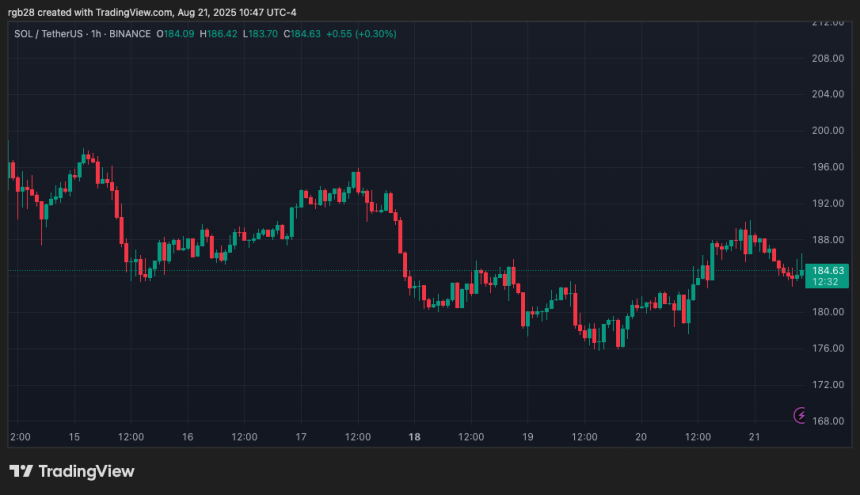
After the announcement, the memecoin skyrocketed to a market capitalization of $3.1 billion before quickly dropping 65% to the $1.1 billion mark in the following hours. Meanwhile, YZY’s price went from an all-time high (ATH) of $3.16 to hover between the $0.95-$1.30 price range.

The crypto community reported multiple red flags, including allegations of insider trading and a lawsuit waiver. Notably, the official website has a controversial waiver that raised concerns among investors.

In the “What Else Should I Know?” section, the website stated that by purchasing the token, investors agree they “will not bring, join or participate in any class action lawsuit as to any claim, dispute or controversy” that they may have against any of the “Covered Parties.”

“if you’re buying this ur literally giving them permission to rug you without consequences,” a community member noted.

Nonetheless, investors may opt out of the dispute resolution provision by “providing written notice of your decision within thirty (30) days of the date that you first access the Website,” the page reads.

Ye’s Memecoin Supply Owned By Insiders

Conor Grogan, director at Coinbase, estimated that at least 94% of the supply was owned by insiders, with 87% of the token being held by a single multisig wallet before it was distributed to multiple wallets.

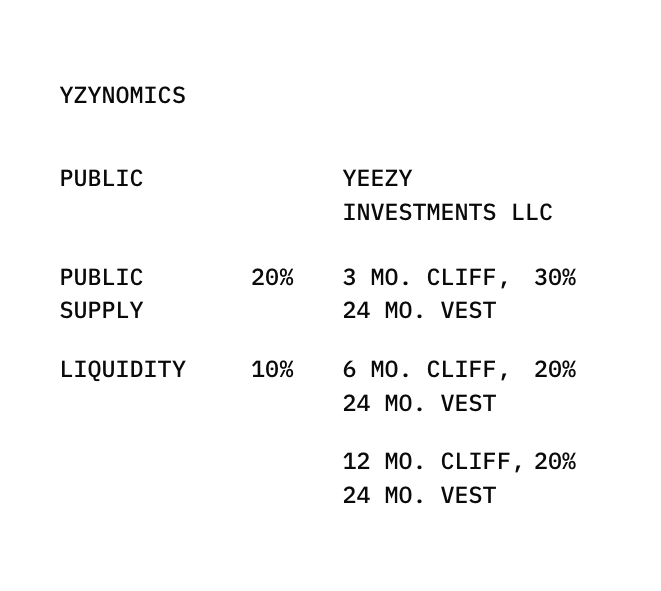
According to the “YZYNOMICS”, 20% of the token’s distribution would be for public supply, 10% for liquidity, and 70% for Yeezy Investments LLC.
memecoin

On-chain analytics firm Bubblemaps affirmed that “the bubble map of YZY mostly MATCHES the distribution on Kanye’s website,” cautioning that “the 17% address ‘public supply’ is UNLOCKED and can sell at any time.”

Lookonchain highlighted that only YZY had been added to the liquidity pool, with no USDC, warning that the “Dev may sell YZY by adding/removing liquidity, similar to LIBRA.”

Additionally, they noted that multiple insider wallets had prepared funds in advance and bought the memecoin, with one address knowing the CA and attempting to purchase YZY yesterday.

The on-chain wallet tracker also cautioned that West had added 30 million YZY, worth $34 million, to the liquidity pool with a price range of $3.17-$4.49, signaling that “once the price climbs above $3.1716, he’ll start earning fees while gradually selling YZY for USDC. If the price rises above $4.4929, all 30M YZY will be sold.”

Investors See Red Numbers

On-chain researcher Defioasis affirmed that the YZY launch was “more of the same,” revealing that, so far, most wallets holding West’s memecoin are in the red.

According to their analysis, 56,050 addresses traded the token in the past 13 hours, with 25,166, or 44.9% of the wallets, engaging in one-sided transactions. Out of these addresses, 23,723 only bought the memecoin, while 1,443 only sold it.

They suggested that “some of the former may be dust addresses aimed at increasing the number of addresses, while others are either holding onto their positions or stuck in losses,” adding, “The latter are primarily project teams/large holders using multiple addresses to sell, making it harder to track them directly.”

Meanwhile, 30,884 addresses had two-way transactions, with 38.07% of addresses registering realized profits. 30% of these wallets had a profit of up to $500, while only 1.31% of them had profits exceeding $10,000. Among this 1%, only 5 addresses had over $1 million in profits, with one of them being identified as an insider.

On the contrary, over 60% of participants are still in a loss position, the report noted, with 28.2% of the addresses losing up to $500. By the time of the Defioasis post, one individual had lost over $1 million, while another had lost around half a million.
memecoin, solana, sol, solusdt
Market Opportunity
Moonveil Logo
Moonveil Price(MORE)
$0.0006299
$0.0006299$0.0006299
-4.27%
USD
Moonveil (MORE) Live Price Chart
Disclaimer: The articles reposted on this site are sourced from public platforms and are provided for informational purposes only. They do not necessarily reflect the views of MEXC. All rights remain with the original authors. If you believe any content infringes on third-party rights, please contact service@support.mexc.com for removal. MEXC makes no guarantees regarding the accuracy, completeness, or timeliness of the content and is not responsible for any actions taken based on the information provided. The content does not constitute financial, legal, or other professional advice, nor should it be considered a recommendation or endorsement by MEXC.

You May Also Like

Dramatic Spot Crypto ETF Outflows Rock US Market

Dramatic Spot Crypto ETF Outflows Rock US Market

BitcoinWorld Dramatic Spot Crypto ETF Outflows Rock US Market The cryptocurrency market is always buzzing with activity, and recent developments surrounding US spot Bitcoin and Ethereum ETFs have certainly grabbed attention. After a brief period of inflows, these prominent investment vehicles experienced a significant reversal, recording notable Spot Crypto ETF Outflows on September 22. This shift has sparked discussions among investors and analysts alike, prompting a closer look at what drove these movements and their potential implications for the broader digital asset landscape. What Triggered These Dramatic Spot Crypto ETF Outflows? On September 22, both US spot Bitcoin and Ethereum ETFs collectively observed net outflows, effectively ending a two-day streak of positive inflows. This sudden reversal indicates a potential shift in investor sentiment or market dynamics. Understanding the specifics of these Spot Crypto ETF Outflows is crucial for anyone tracking the pulse of the crypto market. Data from Trader T revealed that spot Bitcoin ETFs alone registered total net outflows amounting to $363.17 million. This substantial figure highlights a notable selling pressure across several key funds. Fidelity’s FBTC led the pack with $276.68 million in outflows. Ark Invest’s ARKB followed, seeing $52.30 million depart. Grayscale’s GBTC, a long-standing player, recorded $24.65 million in outflows. VanEck’s HODL also contributed with $9.54 million. Interestingly, BlackRock’s IBIT and several other funds reported zero flows on this particular day, indicating a concentrated selling activity in specific products rather than a market-wide exodus. How Did Ethereum ETFs Respond to the Spot Crypto ETF Outflows? The trend of net outflows wasn’t limited to Bitcoin. Spot Ethereum ETFs also faced considerable pressure, collectively experiencing $76.06 million in net outflows during the same period. This indicates a broader market sentiment affecting both major cryptocurrencies. Fidelity’s FETH accounted for $33.12 million of the outflows. Bitwise’s ETHW saw $22.30 million withdrawn. BlackRock’s ETHA registered $15.19 million in outflows. Grayscale’s Mini ETH contributed $5.45 million to the total. These figures underscore that while Bitcoin ETFs saw larger absolute outflows, Ethereum ETFs also experienced a significant cooling of investor interest. Such synchronized movements often suggest overarching market factors rather than isolated fund-specific issues. What Are the Broader Implications of These Spot Crypto ETF Outflows? The reversal from inflows to substantial Spot Crypto ETF Outflows could signal a few things. It might reflect profit-taking by investors after recent market rallies, or it could indicate a cautious stance due to macroeconomic uncertainties. Moreover, such movements can influence market sentiment, potentially leading to increased volatility in the short term. For investors, monitoring these ETF flows provides valuable insights into institutional and retail sentiment. Significant outflows can sometimes precede price corrections, offering an opportunity for strategic re-evaluation. Conversely, sustained inflows often suggest growing confidence in digital assets. It is important to remember that ETF flows are just one metric among many. A holistic view, considering on-chain data, macroeconomic indicators, and regulatory news, is essential for making informed decisions in the dynamic crypto space. These Spot Crypto ETF Outflows serve as a reminder of the market’s inherent volatility and the need for continuous vigilance. In summary, the recent dramatic Spot Crypto ETF Outflows from US Bitcoin and Ethereum funds mark a notable shift in the investment landscape. While a two-day inflow streak was broken, these movements are a natural part of a maturing market. They highlight the ebb and flow of investor confidence and the dynamic nature of digital asset investments. As the market continues to evolve, keeping a close eye on these ETF trends will remain crucial for understanding broader sentiment and potential future directions. Frequently Asked Questions (FAQs) Q1: What does “net outflows” mean for crypto ETFs? A1: Net outflows occur when investors redeem more shares from an ETF than they purchase, indicating more money is leaving the fund than entering it. Q2: Which US spot Bitcoin ETFs saw the largest outflows? A2: Fidelity’s FBTC led with $276.68 million in outflows, followed by Ark Invest’s ARKB and Grayscale’s GBTC, contributing significantly to the overall Spot Crypto ETF Outflows. Q3: Were Ethereum ETFs also affected by outflows? A3: Yes, US spot Ethereum ETFs experienced $76.06 million in net outflows, with Fidelity’s FETH and Bitwise’s ETHW being major contributors. Q4: What do these Spot Crypto ETF Outflows suggest about market sentiment? A4: They can suggest a shift towards profit-taking, increased caution due to macroeconomic factors, or a temporary cooling of investor interest in digital assets. Did you find this analysis of Spot Crypto ETF Outflows insightful? Share this article with your network on social media to help others understand the latest trends in the crypto ETF market and contribute to informed discussions! To learn more about the latest crypto market trends, explore our article on key developments shaping Bitcoin and Ethereum institutional adoption. This post Dramatic Spot Crypto ETF Outflows Rock US Market first appeared on BitcoinWorld.
Share
Coinstats2025/09/23 10:55
Remittix Success Leads To Rewarding Presale Investors With 300% Bonus – Here’s How To Get Involved

Remittix Success Leads To Rewarding Presale Investors With 300% Bonus – Here’s How To Get Involved

Besides its enormous presale success, Remittix is also extending a 300% bonus to early purchasers. This temporary bonus can be […] The post Remittix Success Leads
Share
Coindoo2026/02/07 16:39
Korean Crypto Exchange Bithumb Accidentally Gives Away Millions in Bitcoin During Promotion

Korean Crypto Exchange Bithumb Accidentally Gives Away Millions in Bitcoin During Promotion

TLDR Bithumb accidentally sent excess Bitcoin to customers during a promotional “Random Box” event in South Korea Some users reportedly received 2,000 BTC ($139
Share
Coincentral2026/02/07 16:39