The post US Senate Crypto Market Bill Heads to January 27 Markup Without Democratic Support appeared first on Coinpedia Fintech News After weeks of intense discussionsThe post US Senate Crypto Market Bill Heads to January 27 Markup Without Democratic Support appeared first on Coinpedia Fintech News After weeks of intense discussions

US Senate Crypto Market Bill Heads to January 27 Markup Without Democratic Support
3 min read
US Senate Crypto Market Bill

The post US Senate Crypto Market Bill Heads to January 27 Markup Without Democratic Support appeared first on Coinpedia Fintech News

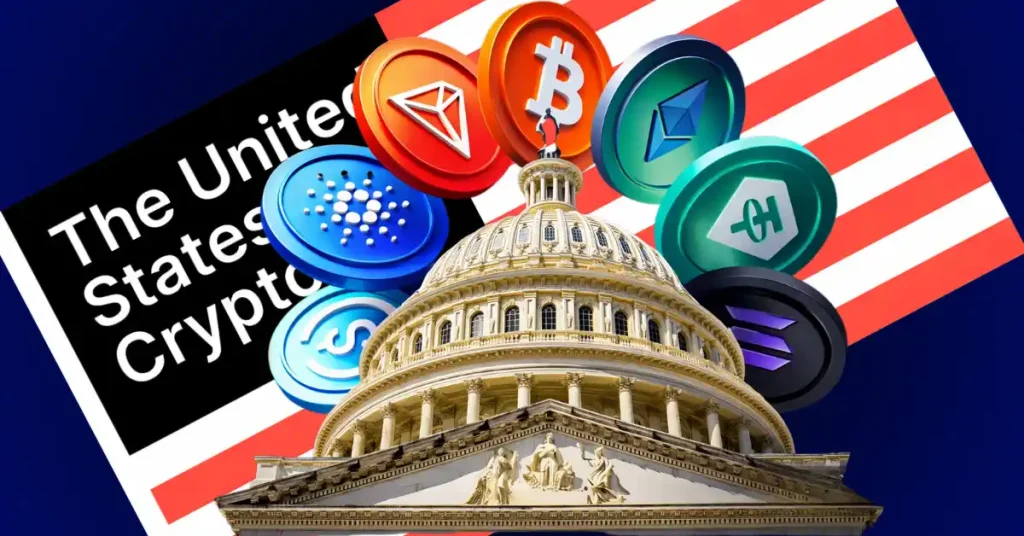
After weeks of intense discussions, the push to secure Democratic support for the U.S. Senate’s crypto market structure bill has hit a major setback. 

Despite this, a new draft of a crypto market structure bill has been released by the Senate Agriculture Committee, a step that could decide whether new crypto rules move forward or face more delays.

Crypto Bill Moves Forward Without Democratic Support

The Senate Agriculture Committee, led by Republican Senator John Boozman, has released a new draft of the crypto market structure bill after talks with Democrats failed to reach an agreement. As a result, the bill is moving ahead without bipartisan support.

However, this bill is focused on creating clear rules for how crypto assets should be handled in the United States. Now, the draft is scheduled for discussion at the January 27 markup meeting.

Committee Chairman Senator John Boozman said that while talks with Democrats did not succeed, the bill must still move ahead. He noted that long discussions have already helped improve the draft, and delaying it further would only increase confusion in the crypto market.

What the Crypto Market Bill Is Trying to Do

The main goal of the bill is to give the Commodity Futures Trading Commission (CFTC) more power to oversee the crypto market. It also aims to clearly explain which digital assets fall under the CFTC and which are regulated by the Securities and Exchange Commission (SEC).

Additionally, the bill also sets basic rules for crypto companies, such as exchanges and service providers, including how they should register and follow compliance standards. Supporters believe this will bring clarity and help the industry grow more safely.

  • Also Read :
  •   U.S. Treasury Buys Back $2.8 Billion in Debt Securities
  •   ,

Banking Committee Still Facing Delays

While the Agriculture Committee is moving ahead, the Senate Banking Committee is still stuck on its own crypto bill. Disagreements over stablecoins, especially around interest-like rewards, have slowed progress. 

There are reports that the Banking Committee may delay action until late March as it focuses on other political matters. Since most legislation in the Senate requires 60 votes, passing a party-line crypto bill will be significantly harder.

President Trump has also said he wants the bill passed quickly so he can sign it into law, calling it an important step toward opening new financial opportunities.

Even if the bill passes the committee vote, it still faces a long road. 

Never Miss a Beat in the Crypto World!

Stay ahead with breaking news, expert analysis, and real-time updates on the latest trends in Bitcoin, altcoins, DeFi, NFTs, and more.

bell icon Subscribe to News

FAQs

What is the U.S. Senate crypto market structure bill?

It’s a proposal to define how crypto assets are regulated in the U.S., clarifying roles between the CFTC and the SEC.

How could this bill affect everyday crypto users and investors?

Clearer oversight may reduce regulatory uncertainty for exchanges, which can improve market stability. However, stricter compliance could limit access to certain products or platforms.

Why is the Agriculture Committee involved in crypto regulation?

The committee oversees the CFTC, which regulates commodities markets. Lawmakers view many digital assets as commodities rather than securities, placing crypto under its scope.

What are the next realistic steps if the Banking Committee delays action?

Lawmakers may attempt to merge crypto provisions into other legislation or revisit negotiations later in the year. Industry pressure could influence future revisions.

Disclaimer: The articles reposted on this site are sourced from public platforms and are provided for informational purposes only. They do not necessarily reflect the views of MEXC. All rights remain with the original authors. If you believe any content infringes on third-party rights, please contact service@support.mexc.com for removal. MEXC makes no guarantees regarding the accuracy, completeness, or timeliness of the content and is not responsible for any actions taken based on the information provided. The content does not constitute financial, legal, or other professional advice, nor should it be considered a recommendation or endorsement by MEXC.

You May Also Like

Woman shot 5 times by DHS to stare down Trump at State of the Union address

Woman shot 5 times by DHS to stare down Trump at State of the Union address

A House Democrat has invited Marimar Martinez to attend President Donald Trump's State of the Union address in Washington, D.C., after she was shot by Customs and
Share
Rawstory2026/02/06 03:36
What is Play-to-Earn Gaming? Unlocking New Possibilities

What is Play-to-Earn Gaming? Unlocking New Possibilities

The post What is Play-to-Earn Gaming? Unlocking New Possibilities appeared on BitcoinEthereumNews.com. The Play-to-Earn (P2E) model is playing a key role in the advancement of the crypto industry. Users are able to earn crypto by playing games and get involved with global communities of gamers, creators, and developers. In this article, we’ll explore the functionalities of P2E gaming, its core features, potential risks, benefits, legal issues, and highlight some of the most impactful games shaping the Web3 gaming frontier.  What is Play-to-Earn Gaming? As its name implies, you gain rewards for playing the game. Players in Play-to-Earn games get involved with blockchain networks and can receive crypto assets or NFTs as prizes. The assets you acquire can be sold, traded or kept as an investment to see if their value rises. In Axie Infinity, players gathered and combated Axies, which are fantastical creatures. The game gave players SLP, a coin that works the same as money and could be traded for fiat currencies or other coins. Due to its success, it has grown into a more advanced and eco-friendly economy on current gaming platforms. How P2E Works? Most P2E gaming relies on Ethereum and Layer 2 networks, including Immutable, Ronin, and Base. Users are given both tokens and NFTs for accomplishing various game goals, such as: Completing missions or winning battles Trading or crafting in-game items Participating in tournaments or community events Staking assets or voting in DAOs The main difference between P2E games and traditional ones is that players can truly own what they earn in the game. Weapons, land, avatars, and resources on the Web3 game are tokenized, enabling you to trade or transfer them elsewhere. For example, users in Decentraland are able to purchase virtual land as NFTs, set up experiences and earn money from events or the services they provide. They are different from other items since they…
Share
BitcoinEthereumNews2025/09/19 21:33
DBS Partners With Franklin Templeton and Ripple for Tokenized Lending Platform

DBS Partners With Franklin Templeton and Ripple for Tokenized Lending Platform

TLDR DBS Digital Exchange, Franklin Templeton, and Ripple signed a memorandum of understanding to launch tokenized trading and lending services on the XRP Ledger DBS will list Franklin Templeton’s sgBENJI token alongside Ripple’s RLUSD stablecoin, allowing real-time swaps for institutional investors The partnership enables portfolio rebalancing and yield generation during volatile market conditions through tokenized [...] The post DBS Partners With Franklin Templeton and Ripple for Tokenized Lending Platform appeared first on CoinCentral.
Share
Coincentral2025/09/18 17:06