

i Kennisgeving: Dit artikel bevat inzichten van onafhankelijke auteurs en valt buiten de redactionele verantwoordelijkheid van BitcoinMagazine.nli Kennisgeving: Dit artikel bevat inzichten van onafhankelijke auteurs en valt buiten de redactionele verantwoordelijkheid van BitcoinMagazine.nl
Stablecoins 2026: GENIUS Act kan crypto markt naar $1 biljoen sturen – XRP profiteert
5 min read
i Kennisgeving: Dit artikel bevat inzichten van onafhankelijke auteurs en valt buiten de redactionele verantwoordelijkheid van BitcoinMagazine.nl. De informatie is bedoeld ter educatie en reflectie. Dit is geen financieel advies. Doe zelf onderzoek voordat je financiële beslissingen neemt. Crypto is zeer volatiel er zitten kansen en risicos aan deze investering. Je kunt je inleg verliezen. Stablecoins zouden de hoofdrol kunnen grijpen in het crypto nieuws van de komende maanden. De volledige invoering van de Amerikaanse GENIUS act zou ervoor kunnen zorgen dat de marktkapitalisatie van tokens als Tether en Ripple Stablecoin RLUSD flink stijgt. Een $1 biljoen market cap is mogelijk, zo menen sommige experts. Check onze Discord Connect met "like-minded" crypto enthousiastelingen Leer gratis de basis van Bitcoin & trading - stap voor stap, zonder voorkennis. Krijg duidelijke uitleg & charts van ervaren analisten. Sluit je aan bij een community die samen groeit. Nu naar Discord GENIUS ACT beheerst crypto nieuws In juli 2025 tekende Donald Trump de GENIUS act, een nieuwe wetgeving die het uitbrengen en traden van stablecoins moet reguleren. Verwacht wordt dat de volledige implementatie van deze wet niet lang meer op zich laat wachten – in juli 2026 zou het al zo ver moeten zijn. Voorstanders wijzen erop dat door regulatoire duidelijkheid meer grote financiële instellingen in zullen stappen bij de cryptomarkt. “Jezelf verzetten tegen stablecoins is alsof je vecht tegen het internet. Volgend jaar zullen veel banken de tokens eindelijk adopteren”, zo stelt NYU Stern professor Austin Campbell. https://twitter.com/Cointelegraph/status/2006651884199686595?s=20 Niet iedereen zit echter op de volledige implementatie van de nieuwe stablecoin wetgeving te wachten: onder meer senator Warren Davidson is tegen. Hij is bang voor een toenemende overheidscontrole op de cryptomarkt. Crypto verwachting voor USDT (Tether) en Ripple Stablecoin RLUSD Gedacht wordt dat grote partijen dankzij de GENIUS Act in 2026 nog meer vertrouwen zullen hebben om in te stappen op de cryptomarkt. Hierdoor kan de totale marktkapitalisatie van dit type tokens (nu $300 miljard) volgens experts stijgen tot $1 biljoen. Momenteel is de grootste token op dit gebied Tether (USDT), met een marktkapitalisatie van $186 miljard. De stablecoin marktkapitalisatie bedraagt $300 miljard. Bron: MacroMicro. Met name bij de Ripple Stablecoin RLUSD wordt een enorme groei verwacht. Met een market cap van $1,3 miljard is deze nu nog relatief klein, maar dankzij strategische partnerschappen van tokenuitgever Ripple Labs kan dit snel veranderen. Het bedrijf werkt nu al samen met onder meer JPMorgan, PayPal, Visa en Mastercard – de hoop is dat zij dankzij de GENIUS Act het vertrouwen voelen om de (volledige) stap naar crypto- en blockchain based finance te maken. Praat mee op onze socials! Chat met onze experts via Telegram, geef je mening op Twitter of "sit back and relax" terwijl je naar onze YouTube-video's kijkt. Chat met ons Geef je mening Bekijk onze video's RLUSD (en andere stablecoins) bieden deze financiële partijen de nodige voordelen: zo kunnen bedrijven binnen een fractie van een seconde tegen significant lagere kosten grote sommen geld internationaal overschrijven. Daarbij zijn ze niet langer afhankelijk van derde partijen zoals (inter)nationale banken. Wat gaat crypto doen? Verwacht wordt dat een vergaande adoptie van bijvoorbeeld RLUSD ook zal zorgen voor een stijging van de bijbehorende token – in dit geval de Ripple koers. Om transacties op de XRP Ledger uit te voeren, zullen gebruikers van stablecoins immers een kleine fee met XRP moeten betalen. Ook veel andere netwerken met stablecoins, zoals Ethereum (Tether/USDT), kennen een dergelijk systeem. Deze ontwikkeling moet echter breder gezien worden dan alleen stijgende koersen en snelle winst in 2026 – de echte gevolgen van de GENIUS ACT zullen pas in de komende jaren zichtbaar worden. Het moet dan ook duidelijk worden of deze nieuwe wet aan de verwachtingen voldoet. Indien de voorstanders gelijk krijgen, staan ons nog de nodige volatiele bewegingen te wachten. Instappen bij USDT of RLUSD De waarde van de Ripple Stablecoin en Tether zal altijd zo dicht mogelijk bij de $1 liggen – instappen bij deze tokens heeft dan ook weinig zin voor traders op zoek naar rendement. Ook de bijbehorende grote tokens (XRP en Ethereum) hebben weinig potentie tot exponentiële stijgingen. Dit is anders bij nieuwe crypto met potentie, zoals de Bitcoin Layer2 $HYPER. Dit is een nieuw platform dat met een slimme bridge de snelheid van Solana naar Bitcoin wil brengen. Voor traders resulteert dit in vliegensvlugge transacties tegen extreem lage kosten. In korte tijd kon er al $30 miljoen opgehaald worden voor $HYPER, de eigen token van het platform. Dit is een duidelijk teken dat zowel retailers als whales vertrouwen hebben in de token. Volgens sommigen is $HYPER in potentie een top 50 altcoin. Zeker met een sterk toenemende crypto adoptie is dit zeker niet uitgesloten. Wil je profiteren van maximale rendementen op Bitcoin Hyper? Zorg dan dat je nog voor de exchange listing instapt – de presale kent een stapsgewijs oplopende prijs, dus wie er het eerste bij is haalt de hoogste rendementen! Nu naar Bitcoin Hyper i Kennisgeving: Dit artikel bevat inzichten van onafhankelijke auteurs en valt buiten de redactionele verantwoordelijkheid van BitcoinMagazine.nl. De informatie is bedoeld ter educatie en reflectie. Dit is geen financieel advies. Doe zelf onderzoek voordat je financiële beslissingen neemt. Crypto is zeer volatiel er zitten kansen en risicos aan deze investering. Je kunt je inleg verliezen.
Het bericht Stablecoins 2026: GENIUS Act kan crypto markt naar $1 biljoen sturen – XRP profiteert is geschreven door Christiaan Kopershoek en verscheen als eerst op Bitcoinmagazine.nl.
Market Opportunity
The AI Prophecy Price(ACT)
$0,01568
$0,01568$0,01568
USD
The AI Prophecy (ACT) Live Price Chart
Disclaimer: The articles reposted on this site are sourced from public platforms and are provided for informational purposes only. They do not necessarily reflect the views of MEXC. All rights remain with the original authors. If you believe any content infringes on third-party rights, please contact service@support.mexc.com for removal. MEXC makes no guarantees regarding the accuracy, completeness, or timeliness of the content and is not responsible for any actions taken based on the information provided. The content does not constitute financial, legal, or other professional advice, nor should it be considered a recommendation or endorsement by MEXC.
You May Also Like

The Role of Blockchain in Building Safer Web3 Gaming Ecosystems
The gaming industry is in the midst of a historic shift, driven by the rise of Web3. Unlike traditional games, where developers and publishers control assets and dictate in-game economies, Web3 gaming empowers players with ownership and influence. Built on blockchain technology, these ecosystems are decentralized by design, enabling true digital asset ownership, transparent economies, and a future where players help shape the games they play.
However, as Web3 gaming grows, security becomes a focal point. The range of security concerns, from hacking to asset theft to vulnerabilities in smart contracts, is a significant issue that will undermine or erode trust in this ecosystem, limiting or stopping adoption. Blockchain technology could be used to create security processes around secure, transparent, and fair Web3 gaming ecosystems. We will explore how security is increasing within gaming ecosystems, which challenges are being overcome, and what the future of security looks like.
Why is Security Important in Web3 Gaming?
Web3 gaming differs from traditional gaming in that players engage with both the game and assets with real value attached. Players own in-game assets that exist as tokens or NFTs (Non-Fungible Tokens), and can trade and sell them. These game assets usually represent significant financial value, meaning security failure could represent real monetary loss.
In essence, without security, the promises of owning “something” in Web3, decentralized economies within games, and all that comes with the term “fair” gameplay can easily be eroded by fraud, hacking, and exploitation. This is precisely why the uniqueness of blockchain should be emphasized in securing Web3 gaming.
How Blockchain Ensures Security in Web3 Gaming?
- Immutable Ownership of Assets Blockchain records can be manipulated by anyone. If a player owns a sword, skin, or plot of land as an NFT, it is verifiably in their ownership, and it cannot be altered or deleted by the developer or even hacked. This has created a proven track record of ownership, providing control back to the players, unlike any centralised gaming platform where assets can be revoked.
- Decentralized Infrastructure Blockchain networks also have a distributed architecture where game data is stored in a worldwide network of nodes, making them much less susceptible to centralised points of failure and attacks. This decentralised approach makes it exponentially more difficult to hijack systems or even shut off the game’s economy.
- Secure Transactions with Cryptography Whether a player buys an NFT or trades their in-game tokens for other items or tokens, the transactions are enforced by cryptographic algorithms, ensuring secure, verifiable, and irreversible transactions and eliminating the risks of double-spending or fraudulent trades.
- Smart Contract Automation Smart contracts automate the enforcement of game rules and players’ economic exchanges for the developer, eliminating the need for intermediaries or middlemen, and trust for the developer. For example, if a player completes a quest that promises a reward, the smart contract will execute and distribute what was promised.
- Anti-Cheating and Fair Gameplay The naturally transparent nature of blockchain makes it extremely simple for anyone to examine a specific instance of gameplay and verify the economic outcomes from that play. Furthermore, multi-player games that enforce smart contracts on things like loot sharing or win sharing can automate and measure trustlessness and avoid cheating, manipulations, and fraud by developers.
- Cross-Platform Security Many Web3 games feature asset interoperability across platforms. This interoperability is made viable by blockchain, which guarantees ownership is maintained whenever assets transition from one game or marketplace to another, thereby offering protection to players who rely on transfers for security against fraud. Key Security Dangers in Web3 Gaming Although blockchain provides sound first principles of security, the Web3 gaming ecosystem is susceptible to threats. Some of the most serious threats include:
Share
Medium2025/09/18 14:40
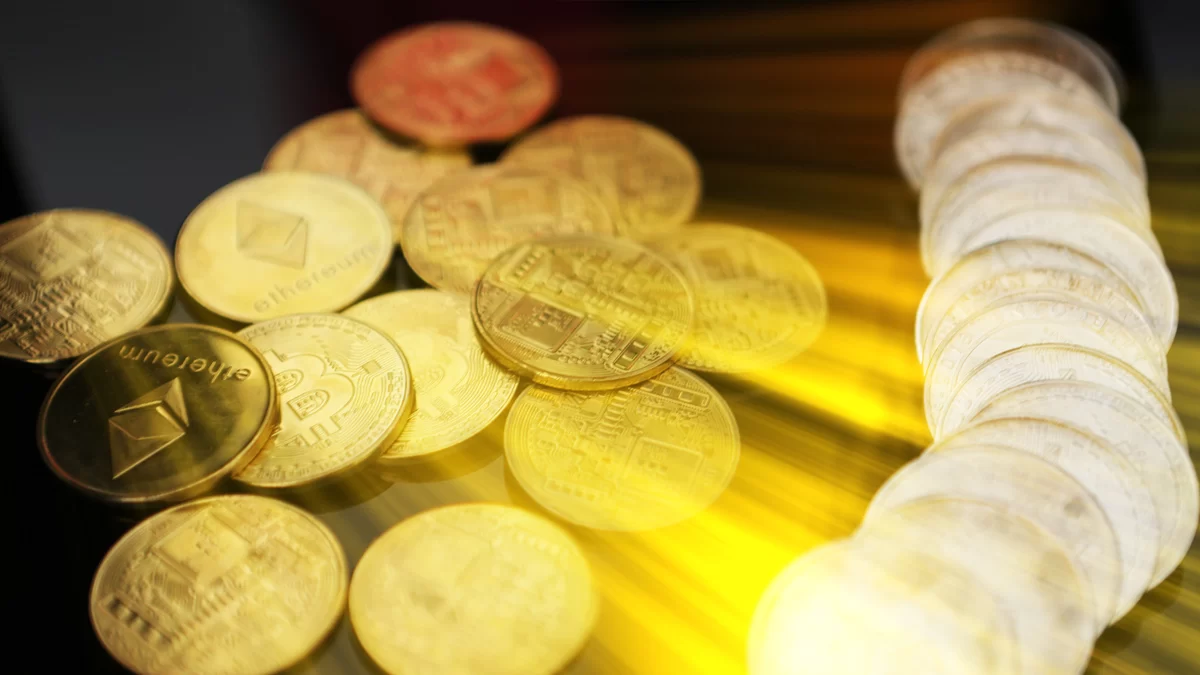
Vitalik Buterin Challenges Ethereum’s Layer 2 Paradigm
Vitalik Buterin challenges the role of layer 2 solutions in Ethereum's ecosystem. Layer 2's slow progress and Ethereum’s L1 scaling impact future strategies.
Share
Coinstats2026/02/04 04:08

USAA Names Dan Griffiths Chief Information Officer to Drive Secure, Simplified Digital Member Experiences
SAN ANTONIO–(BUSINESS WIRE)–USAA today announced the appointment of Dan Griffiths as Chief Information Officer, effective February 5, 2026. A proven financial‑services
Share
AI Journal2026/02/04 04:15