

Uniswap fee switch proposal advances as UNIfication hits 40M UNI quorum
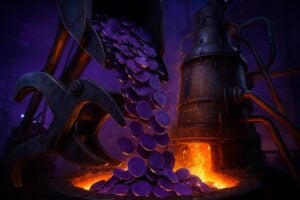
Investor focus is intensifying as the UNIfication governance plan and the Uniswap fee switch move toward implementation after a decisive on-chain quorum.
UNIfication proposal clears quorum with strong support
On-chain data confirms Uniswap’s UNIfication proposal has surpassed the required quorum of 40 million UNI votes.
At the time of reporting, more than 69 million UNI were cast in favor, while opposition remained negligible at below 1,000 UNI. The vote remains open until December 25; however, the quorum requirement is already satisfied, making approval highly likely unless a major reversal occurs.
Moreover, governance dashboards show the “for” side leading from the early hours of the vote. This dominant support places the proposal firmly on track for activation, pending the official conclusion of the process. That said, the outcome still depends on the final snapshot at the voting deadline.
Concentrated support from large UNI holders
Voting activity highlights heavy participation from large wallets. Several addresses submitted ballots ranging from 8 million to nearly 15 million UNI each. This concentration of voting power quickly pushed the initiative past the 40 million token quorum, reinforcing the impression of broad alignment among influential UNI holders.
However, the extremely low number of opposing votes underscores how little organized resistance exists to the plan. As a result, the proposal has entered its final governance phase before potential execution. If approved, observers expect the changes to represent the most significant adjustment to Uniswap‘s token economics since UNI launched.
Details of the UNIfication measures
On-chain governance records show the proposal has now received over 40 million “for” votes in total, with about 69 million in favor compared with fewer than 1,000 against. If the measure passes, it will implement a one-time burn of 100 million UNI and activate fee switches for Uniswap v2 and Uniswap v3 to begin burning tokens.
The core of the package is the long-discussed protocol fee switch. Once turned on, Uniswap would start collecting a small portion of swap fees at the protocol level rather than routing all revenue to liquidity providers. For Uniswap v2, LP fees would fall from 0.30% to 0.25%, with the remaining 0.05% flowing to the protocol itself. In Uniswap v3, protocol fees would vary by pool and remain adjustable through governance.
How the new on-chain fee and burn system works
Under the plan, all protocol fees would be routed into a dedicated on-chain structure. Fees will accumulate in a contract and can only be withdrawn when UNI is burned, directly tying protocol usage to token supply reduction through a structured uni token burn design. This architecture seeks to align network activity with long-term holder incentives.
In addition, the UNIfication proposal calls for a one-time burn of 100 million UNI from the treasury. According to the description, this action is intended to recognize fees that the protocol could have collected during Uniswap’s early growth years, before any fee capture mechanism existed. Together, these measures would embed deflationary pressure into the protocol’s economics.
Beyond swaps: Unichain fees and MEV incentives
The proposal extends the burn logic beyond swap activity. Unichain sequencer fees would be routed into the same burn process after accounting for required operating costs and Optimism‘s share. This ensures that emerging network components also contribute to UNI supply reduction over time.
Another major component targets MEV dynamics. The plan introduces a new mev auction system that allows traders to bid for temporary protocol fee discounts. Winning bids would result in UNI being burned, while participants gain short-term fee advantages. Early estimates suggest this mechanism could enhance returns for liquidity providers and reduce value leakage to validators.
Impact on Uniswap Labs and long-term growth
Once the uniswap fee switch and broader UNIfication package are fully activated, Uniswap Labs would redirect its emphasis toward protocol expansion. Interface, wallet and API fees would be set to zero, shifting revenue focus to the on-chain fee architecture. At the same time, development teams currently operating under the Uniswap Foundation would move under Labs, while governance power continues to sit with UNI holders.
Moreover, the protocol intends to establish an annual growth budget of 20 million UNI starting in 2026. These tokens would be allocated to fund development initiatives and ecosystem expansion, effectively linking growth spending to the same asset whose supply is being managed through burns. In short, the proposal directly connects Uniswap’s long-term trajectory with UNI’s evolving tokenomics.
With quorum reached and support overwhelmingly in favor, the UNIfication vote now enters its closing days ahead of the December 25 deadline. Barring an unexpected shift in sentiment, the changes are poised to reshape Uniswap’s fee flows, on-chain incentives and token supply in a single, far-reaching upgrade.
You May Also Like

Otis Delivers Vertical Mobility for Montreal’s REM Light Metro Transit

PTC Therapeutics Announces Approval of Sephience™ (sepiapterin) for the Treatment of Children and Adults Living with Phenylketonuria (PKU) in Japan
