

Coinbase takes advantage of US regulation: VIP treatment at the White House summit, tokenized stocks, expansion, and M&A rumors
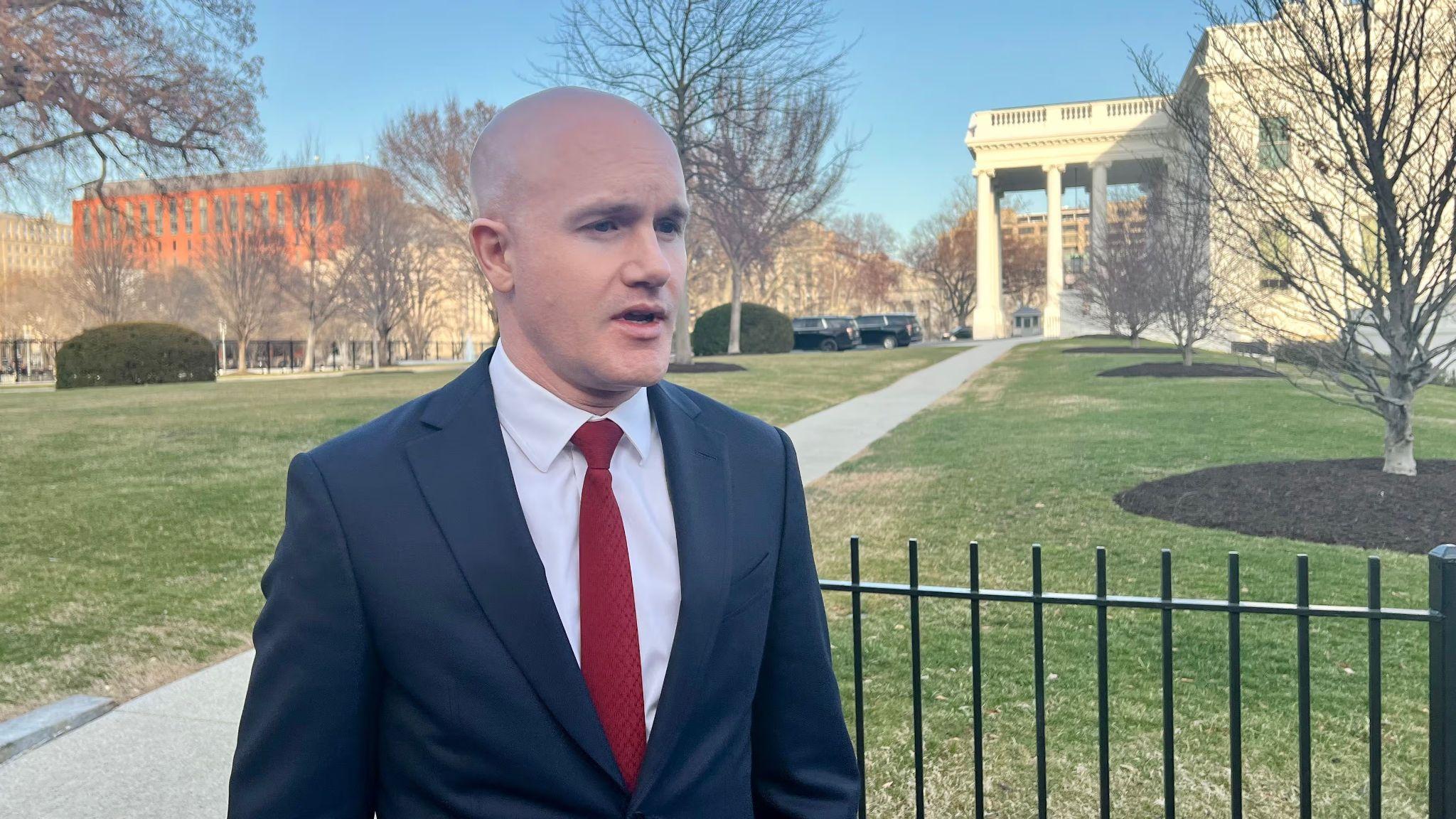
Author: Weilin, PANews
With the Trump administration's adjustment of its crypto regulatory policies, the landscape of the U.S. crypto market has undergone significant changes, and Coinbase, as a leading U.S. exchange, is facing a series of new changes.
From the easing of the regulatory environment to the expansion of the company's business, Coinbase has been making frequent moves recently. In February, the Securities and Exchange Commission (SEC) withdrew its lawsuit against the company, marking the end of the US regulator's tough enforcement of the crypto market. At the White House Digital Asset Summit, Coinbase CEO Brian Armstrong enjoyed "VIP" treatment, further highlighting the company's lobbying influence in Washington.
At the same time, Coinbase plans to recruit about 1,000 employees in the United States in 2025 and restart the COIN stock tokenization plan. The market also reported that the company may usher in mergers and acquisitions and become a potential target for acquisition by traditional exchanges.
White House Summit: Coinbase CEO enjoys "VIP" treatment, plans to recruit 1,000 more people in the United States
After Trump's re-election, the first White House Digital Asset Summit in the United States has become the focus of the crypto industry, and Coinbase CEO Brian Armstrong is undoubtedly one of the most watched executives at the summit. As a representative of the crypto exchange, Armstrong sat fourth from Trump's left, showing his influence among the delegates attending the summit.
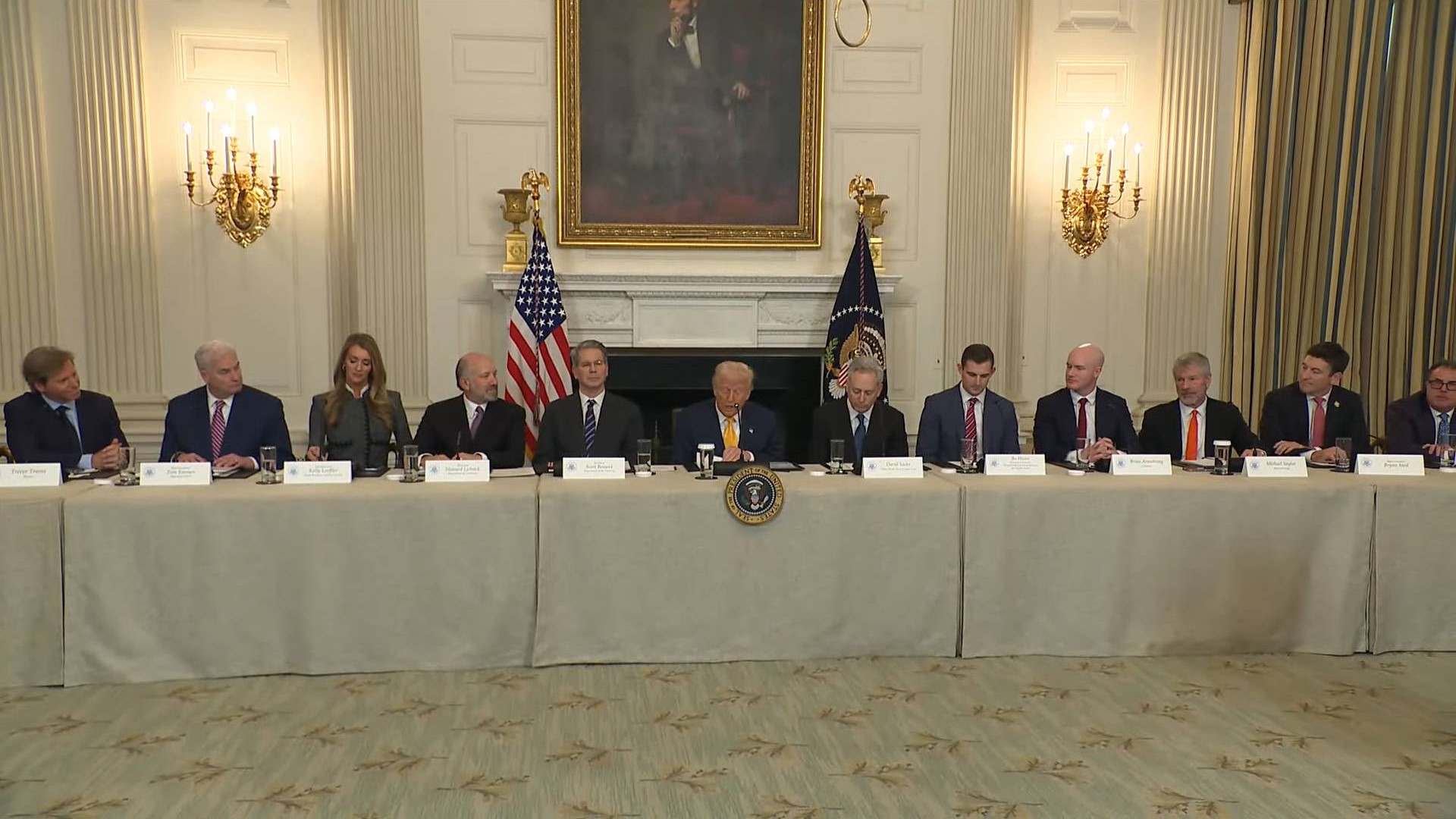
The day before the summit, Trump signed an executive order announcing the establishment of a strategic Bitcoin reserve and digital asset reserve. Armstrong later told the media that he was "absolutely" willing to serve as the government's crypto asset custodian in the context of the national reserve, adding that the company has already cooperated with multiple government departments in crypto asset custody and trading.
Coinbase's performance is also impressive. In 2024, the full-year revenue more than doubled to $6.564 billion, and the net income reached $2.6 billion. Among them, the fourth quarter revenue was $2.27 billion, an increase of 88% from the previous quarter. (Related reading: Detailed explanation of Coinbase's latest financial report: 2024 full-year revenue is nearly $6.6 billion, and Q4 achieved the largest quarterly revenue in three years )
Armstrong tweeted after the White House summit that the White House Digital Asset Summit was a historic day, and that the United States now has strategic Bitcoin reserves and emerging regulatory clarity. This translates directly into economic growth in the United States. In light of this new growth, Coinbase plans to hire about 1,000 employees in the United States this year and will continue to build in the United States to ensure that the United States remains a leader in technology and finance. As of 2024, Coinbase has 3,772 employees, and this expansion is expected to help further consolidate its market position.
SEC drops lawsuit against Coinbase, removing biggest regulatory obstacle
Although Coinbase was successfully listed on Nasdaq as early as 2021, its development has been hindered by the SEC's supervision in the past few years. On March 22, 2023, Coinbase received a Wells notice from the U.S. Securities and Exchange Commission (SEC), indicating that the SEC planned to take enforcement action against Coinbase's pledge products. Coinbase subsequently responded that the investigation was "hasty" and stated that it would continue to operate normally. The following month, Coinbase sued the SEC, asking the federal court to force the SEC to respond to Coinbase's petition in the previous year, which asked the SEC to clarify cryptocurrency-related regulations.
In June 2023, the SEC announced that it had sued Coinbase, accusing it of acting as an unregistered broker, exchange, and clearing agency since 2019, and requiring Coinbase to "permanently ban" related businesses. In addition, the SEC also accused Coinbase of failing to register its pledge service in accordance with U.S. securities laws.
However, after the Trump administration came to power, there were personnel changes at the top of the SEC. In February 2025, the SEC withdrew its lawsuit against Coinbase, ending the legal dispute between the two parties and reducing many obstacles to Coinbase's future business development.
Coinbase Restarts Tokenized COIN Stock Plan and Adjusts Token Listing Mechanism
Changes in the U.S. regulatory environment have brought new market opportunities to Coinbase. On March 6, market news said that Coinbase is renewing its push to tokenize its stock COIN as part of a broader effort to introduce security tokens into the U.S. market. The company first attempted this move in 2020 but abandoned it due to regulatory obstacles. With the establishment of the U.S. SEC's newly established cryptocurrency task force, the company sees new opportunities to integrate blockchain-based securities into traditional finance. Coinbase Chief Financial Officer Alesia Haas expressed optimism about regulatory progress at the Morgan Stanley TMT Conference.
Haas said: "I now believe that our U.S. regulators are looking for product innovation and want to move forward." Haas revealed that Coinbase initially planned to go public by issuing security tokens representing its COIN shares, which is consistent with its vision of integrating blockchain into traditional finance. Coinbase CEO Brian Armstrong emphasized the potential benefits of tokenized securities, saying they can provide consumers with the ability to trade around the clock.
On March 10, according to Backed's official announcement, the tokenized version of Coinbase's $COIN stock, $wbCOIN, has been launched on the Base network. The token is 1:1 backed by $COIN stock, is freely transferable, and has a legal claim to the value of $COIN stock. However, Backed emphasized that it has no connection with Coinbase and is only interested in the stock.
Meanwhile, Coinbase is adjusting its coin listing mechanism to adapt to the rapidly changing crypto market. CEO Brian Armstrong has proposed switching to a "block list" model, allowing users and automated scanning tools to screen for scam projects instead of pre-approving tokens.
Armstrong said that Coinbase’s manual review process is no longer sustainable due to the sheer volume of new tokens — approaching a million per week. “Evaluating each one individually is no longer feasible,” he wrote, adding that even regulators can’t keep up with the growth of new assets. This mechanism is essentially similar to Twitter’s “community notes” system, but applied to the crypto industry.
M&A rumors: Coinbase may become a top exchange acquisition target
In addition to business expansion and regulatory breakthroughs, Coinbase is also seen by the market as a potential acquisition target. On March 8, Barrons reported that Coinbase has the conditions to become an acquisition target. If it can merge with a traditional exchange, it will be able to create a company with both expertise and industry influence, thereby dominating the current fragmented cryptocurrency market. Coinbase's current price-to-earnings ratio is about 22 times, and its total market value is about US$52 billion, but large US exchanges have the ability to make this deal come true.
The Intercontinental Exchange (ICE), the parent company of the New York Stock Exchange, has a market value of $100 billion and a price-to-earnings ratio of 36 times. Its CEO Jeffrey Sprecher's wife Kelly Loeffler is a member of the Trump administration's cabinet. The global futures trading giant CME Group has a market value of $93 billion and a price-to-earnings ratio of 26 times. The Nasdaq exchange, known for its technological strength and global network, has a market value of $47 billion and a price-to-earnings ratio of 41 times. If it can cooperate with major US exchanges, Coinbase will be able to open the door to power and markets, which may still be out of reach for it. Large investors may push a top exchange to acquire Coinbase, and the new company will be able to maximize its return on investment as cryptocurrencies gradually move from the forefront of finance to the mainstream.
It now appears that with the Trump administration's adjustment of its crypto policy, the regulatory environment of the crypto industry has changed dramatically, and Coinbase is a direct beneficiary of this change. The White House summit, the withdrawal of the SEC lawsuit, the restart of the tokenized stock plan, and potential merger and acquisition rumors all indicate that the world's leading crypto exchange may enter a new stage of growth, opening up imagination for future development.
You May Also Like

The Channel Factories We’ve Been Waiting For

Markets await Fed’s first 2025 cut, experts bet “this bull market is not even close to over”
