

Crucial Shift: FDIC Proposes First-Ever Stablecoin Regulations Under GENIUS Act
BitcoinWorld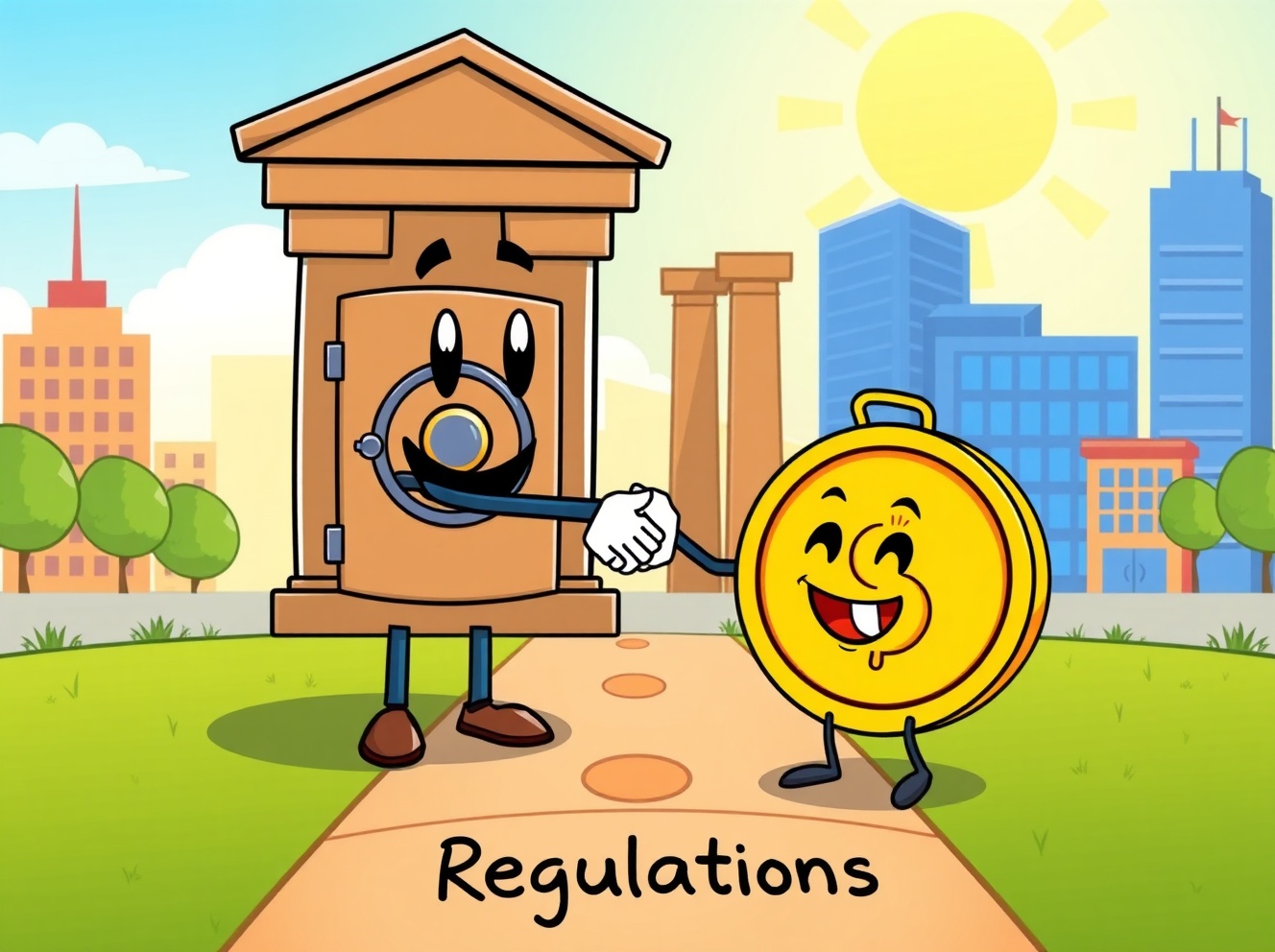
Crucial Shift: FDIC Proposes First-Ever Stablecoin Regulations Under GENIUS Act
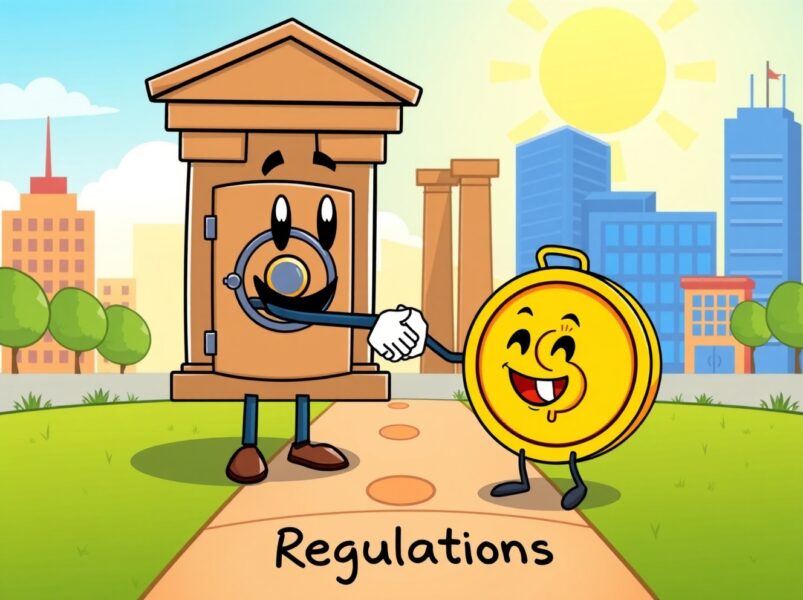
In a landmark move for the cryptocurrency industry, the U.S. Federal Deposit Insurance Corporation (FDIC) has unveiled its first official proposal for stablecoin regulations. This action, taken under the newly enacted GENIUS Act, marks a pivotal step toward integrating digital assets into the traditional financial framework. For investors and crypto enthusiasts, this signals a future where stablecoins operate with clearer rules and potentially greater institutional backing.
What Do the New FDIC Stablecoin Regulations Actually Say?
The core of the FDIC’s proposal establishes a formal pathway for banks it supervises. Specifically, it outlines procedures for these banks to create special subsidiaries dedicated solely to issuing payment stablecoins. Acting FDIC Chairman Travis Hill clarified that this is just the beginning. This initial rule focuses on the application process. More comprehensive rules covering critical areas like capital requirements, liquidity standards, and risk management for these subsidiaries are expected in the coming months.
Why Are These Stablecoin Regulations a Game-Changer?
For years, stablecoins have existed in a regulatory gray area. This proposal is a direct response to the GENIUS Act, which tasked U.S. banking regulators with creating a framework. The move aims to bring much-needed clarity and safety to a multi-billion dollar sector of the crypto economy. Here are the potential impacts:
- Enhanced Consumer Protection: FDIC-supervised banks are subject to strict oversight. Their involvement could mean stronger safeguards for the reserves backing stablecoins.
- Increased Institutional Adoption: Clear stablecoin regulations provide a legal blueprint for traditional financial players to enter the space confidently.
- Market Stability: Standardized capital and liquidity rules could prevent the kind of meltdowns seen in previous algorithmic stablecoin failures.
What Challenges Lie Ahead for These Regulations?
While this is progress, the path forward isn’t without hurdles. The proposal is currently in a draft stage and will undergo a public comment period. Different banking agencies must also coordinate to avoid conflicting rules. Furthermore, some in the crypto community may view this as excessive traditional finance encroachment, potentially stifling innovation. Striking a balance between safety and flexibility will be the FDIC’s key challenge.
What Should Crypto Users Do Now?
For now, this is a proposal, not active law. However, it provides a crucial glimpse into the future of digital assets in the U.S. Users should:
- Stay Informed: Follow the public commentary and revisions to the draft stablecoin regulations.
- Evaluate Stablecoin Issuers: Consider how existing issuers might adapt or partner with banks under the new framework.
- Understand the Timeline: Substantive rules on capital are months away, meaning full implementation will take time.
The FDIC’s proposal is a definitive step toward legitimizing stablecoins within the U.S. banking system. By creating a regulated on-ramp for trusted institutions, these stablecoin regulations could reduce systemic risk and foster wider adoption. However, the final shape of the rules and their reception by both Wall Street and the crypto community will determine their ultimate success. This move undeniably brings the promise of a more stable and integrated digital asset future closer to reality.
Frequently Asked Questions (FAQs)
Q: What is the GENIUS Act?
A: The GENIUS Act is U.S. legislation that provides a regulatory framework for payment stablecoins and assigns oversight roles to federal banking agencies like the FDIC.
Q: Does this mean my stablecoins are now FDIC-insured?
A> No. The proposal allows banks to create subsidiaries to issue stablecoins. The stablecoins themselves are not bank deposits and are not FDIC-insured. The insurance applies to the traditional deposit accounts at the bank itself.
Q: How will this affect stablecoins like USDC or USDT?
A> Existing non-bank issuers like Circle (USDC) or Tether (USDT) would need to either partner with an FDIC-supervised bank, establish a bank subsidiary themselves, or operate under a different regulatory regime if they wish to comply with these specific rules.
Q: When will these regulations take effect?
A> There is no set date. The FDIC has released a draft for public comment. After reviewing feedback, it will publish a final rule. Then, the substantive rules on capital and liquidity must be proposed separately, which will also involve a comment period.
Q: What’s the main goal of these stablecoin regulations?
A> The primary goals are to protect consumers, ensure the stability of the payment system, and prevent illicit finance by bringing stablecoin issuance under the established oversight of the banking sector.
Found this breakdown of the new FDIC stablecoin regulations helpful? The regulatory landscape for crypto is evolving fast. Share this article on Twitter or LinkedIn to help others in your network understand this crucial development and join the conversation about the future of digital finance.
To learn more about the latest cryptocurrency regulatory trends, explore our article on key developments shaping stablecoin institutional adoption.
This post Crucial Shift: FDIC Proposes First-Ever Stablecoin Regulations Under GENIUS Act first appeared on BitcoinWorld.
You May Also Like

ADA Price Prediction: Here’s The Best Place To Make 50x Gains

What Is The Current Fair Value Of Ethereum? It’S Been Calculated, Here’S The Required Level
