

Revolutionary: Google’s AI Try-On Now Creates Your Virtual Avatar From Just a Selfie

BitcoinWorld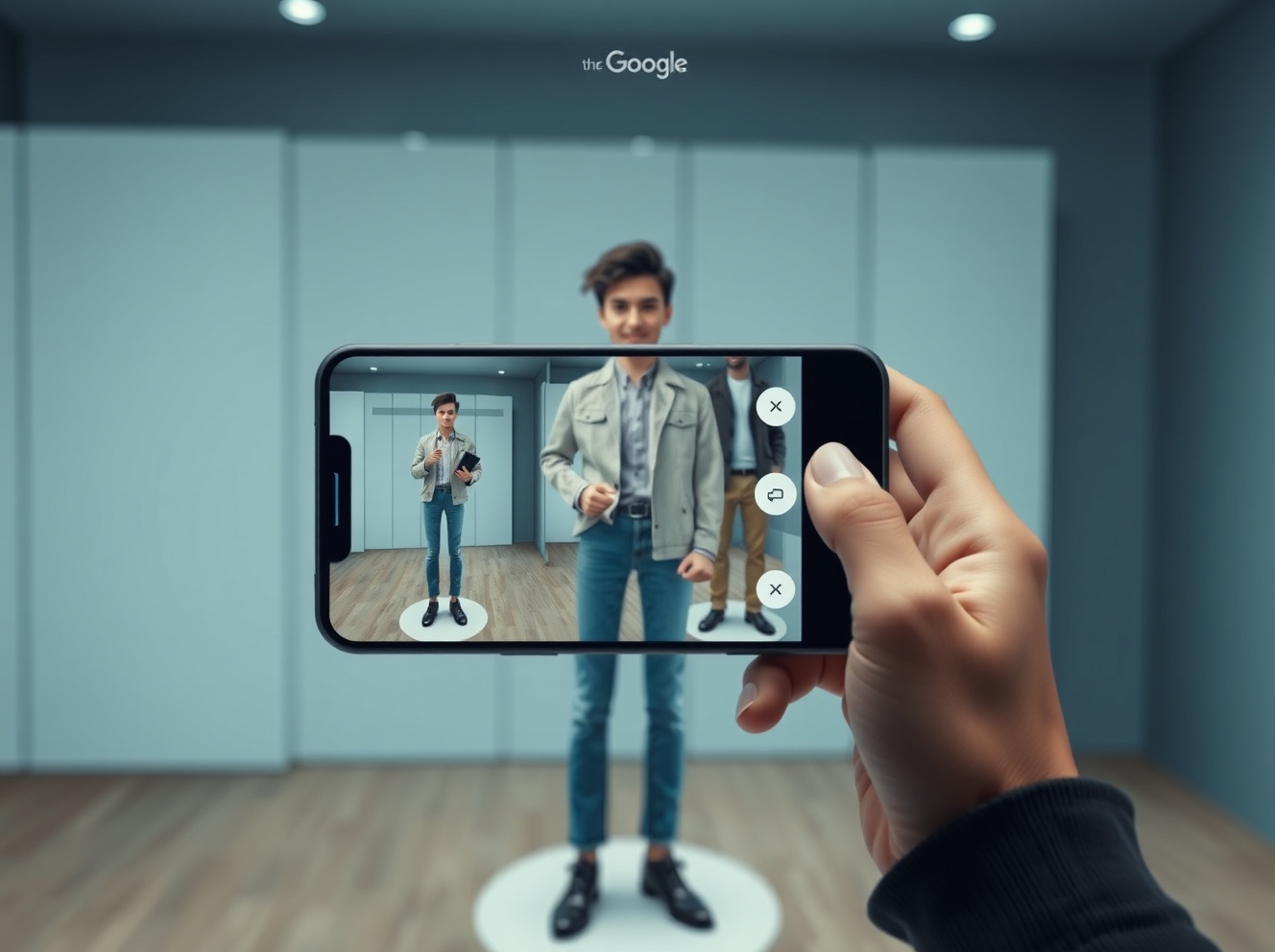
Revolutionary: Google’s AI Try-On Now Creates Your Virtual Avatar From Just a Selfie
Imagine trying on clothes from your favorite brands without leaving your couch—or even uploading a full-body photo. Google just made this a reality with a groundbreaking update to its AI try-on feature. For cryptocurrency enthusiasts who understand the power of digital transformation, this represents another leap toward a fully digital economy where virtual experiences become indistinguishable from physical ones.
How Does Google’s New AI Try-On Feature Work?
Google has eliminated the need for full-body photos in its virtual try-on system. Now, users can simply upload a selfie, and Google’s Gemini 2.5 Flash Image model generates a complete digital version of their body. This technological breakthrough uses advanced AI to create accurate body proportions and dimensions from a single facial image.
The process is remarkably simple:
- Take or upload a selfie through Google Shopping or Search
- Select your usual clothing size
- The AI generates multiple full-body images
- Choose your preferred digital avatar as your default try-on photo
For those who prefer traditional methods, the option to use full-body photos or select from diverse model types remains available. This flexibility ensures the feature caters to different user preferences while pushing the boundaries of what’s possible with AI shopping technology.
Why This Virtual Try-On Breakthrough Matters
Google’s advancement comes at a crucial time for online retail. Return rates for clothing purchased online can reach 40%, primarily due to fit and appearance uncertainties. By making virtual try-on more accessible through simple selfies, Google addresses a major pain point for both consumers and retailers.
| Feature | Before Update | After Update |
|---|---|---|
| Photo Requirement | Full-body photo | Single selfie |
| AI Model | Previous generation | Gemini 2.5 Flash |
| Accessibility | Limited by photo availability | Instant from any selfie |
| User Experience | Multi-step process | Streamlined single step |
Google’s Doppl App and the Future of AI Shopping
This selfie-based AI try-on isn’t Google’s only venture into virtual fashion. The company’s dedicated Doppl app recently received a significant update featuring a shoppable discovery feed. This feed displays AI-generated videos of real products and suggests outfits based on personalized style preferences.
The Doppl app represents Google’s comprehensive approach to AI shopping:
- Nearly all items in the feed are directly shoppable
- AI-generated videos showcase products in action
- Personalized recommendations based on user style
- Direct merchant links for instant purchasing
This approach mirrors the seamless integration cryptocurrency users expect in digital ecosystems—where every element connects and creates value through technological innovation.
Privacy and Accuracy Considerations
While the convenience of selfie-based virtual try-on is undeniable, questions naturally arise about data privacy and measurement accuracy. Google’s Gemini 2.5 Flash model must balance detailed body estimation with user privacy protections.
Key considerations include:
- How facial data translates to body measurements
- Data storage and usage policies
- Accuracy across diverse body types
- Options for users uncomfortable with AI-generated avatars
Google maintains that users retain control over their data and can choose alternative try-on methods if preferred.
The Competitive Landscape of AI Try-On Technology
Google isn’t alone in pursuing virtual try-on innovation. The market has seen increasing competition as companies recognize the potential of AI shopping solutions. What sets Google apart is its integration across multiple platforms—Search, Shopping, Images, and dedicated apps like Doppl.
This multi-platform approach creates a seamless experience that could give Google significant advantage in the AI try-on space, much like integrated ecosystems have dominated in cryptocurrency and other digital sectors.
FAQs About Google’s AI Try-On Feature
How accurate is the selfie-based virtual try-on?
Google’s Gemini 2.5 Flash model has been trained on diverse datasets to ensure reasonable accuracy, though results may vary. Users can improve accuracy by selecting their correct clothing size.
Is my selfie data stored by Google?
Google states that images are processed to generate the try-on experience but doesn’t specify long-term storage policies. Users should review Google’s privacy policies for detailed information.
Can I use the feature outside the United States?
Currently, the selfie-based AI try-on is launching exclusively in the United States, with potential expansion based on adoption and regulatory considerations.
What retailers support this feature?
The feature works with apparel items from Google’s Shopping Graph across participating retailers. The Doppl app features additional merchant partnerships.
How does this compare to other virtual try-on solutions?
Google’s integration across its ecosystem and use of advanced Gemini 2.5 Flash technology positions it competitively, though specific comparisons depend on individual retailer implementations.
Conclusion: The Digital Transformation of Retail
Google’s selfie-based AI try-on represents more than just a convenience feature—it signals a fundamental shift in how we interact with digital commerce. By lowering the barrier to virtual try-on through simple selfies, Google makes personalized shopping experiences accessible to millions. This development parallels the democratization we’ve seen in cryptocurrency, where complex technology becomes user-friendly and widely accessible.
The integration of Gemini 2.5 Flash technology demonstrates how AI continues to reshape everyday experiences, from trying on clothes to managing digital assets. As these technologies converge, we move closer to a seamless digital economy where virtual and physical experiences blend seamlessly.
To learn more about the latest AI technology trends and how they’re shaping digital commerce, explore our article on key developments in artificial intelligence and virtual experiences.
This post Revolutionary: Google’s AI Try-On Now Creates Your Virtual Avatar From Just a Selfie first appeared on BitcoinWorld.
Jums taip pat gali patikti

IP Hits $11.75, HYPE Climbs to $55, BlockDAG Surpasses Both with $407M Presale Surge!

ZEROBASE front-end was counterfeited; BSC phishing contract has stolen over $250,000 USDT.
