

Regulated Crypto Trading in Russia: A 2026 Reality for Major Exchanges

BitcoinWorld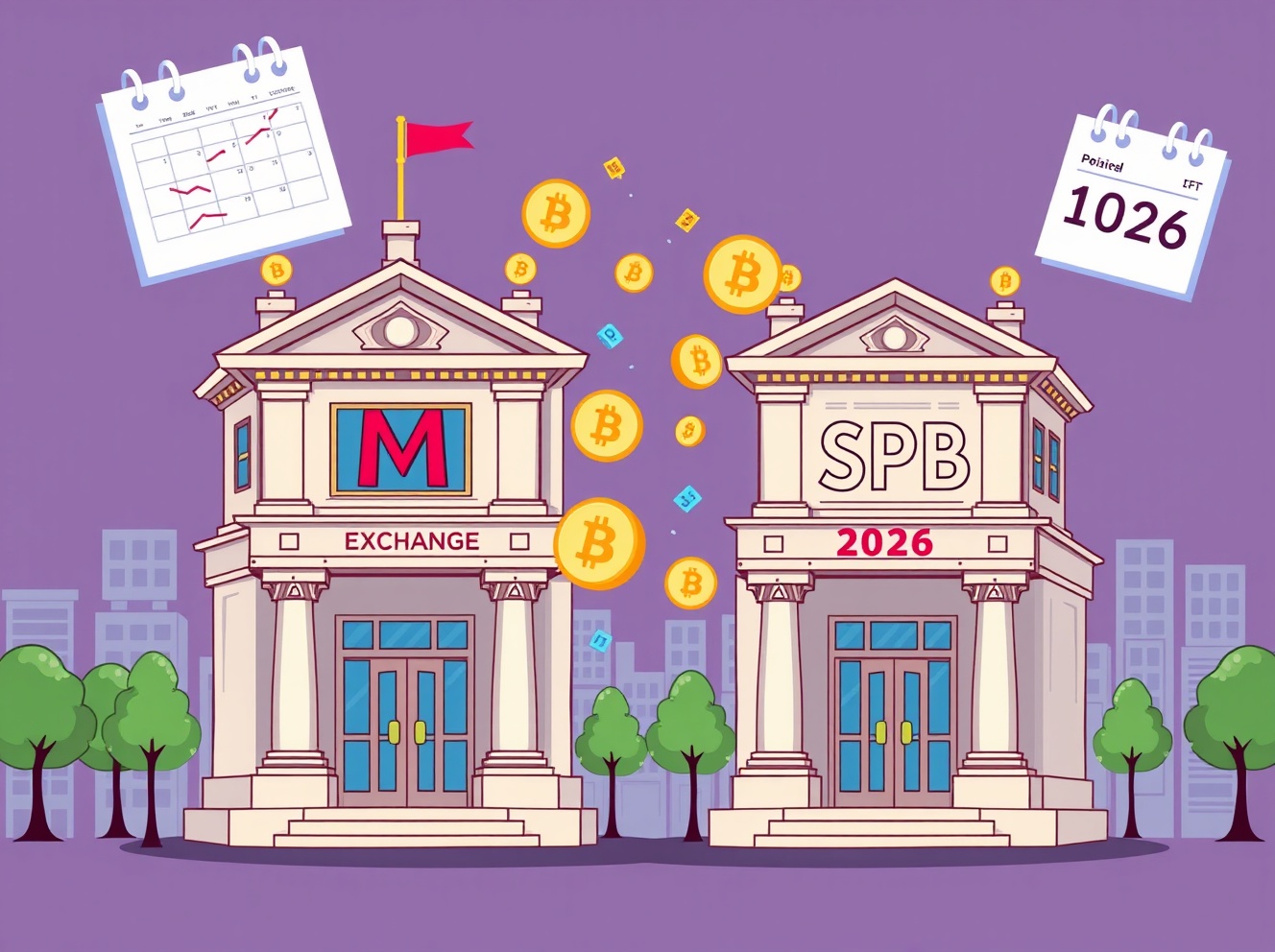
Regulated Crypto Trading in Russia: A 2026 Reality for Major Exchanges
Get ready for a seismic shift in one of the world’s largest economies. Russia is on a definitive path to launch regulated crypto trading by 2026, with its two premier financial hubs—the Moscow Exchange and the St. Petersburg Exchange—leading the charge. This move signals a pivotal moment where a major global power begins to formally integrate digital assets into its mainstream financial system.
What Does Russia’s Roadmap for Regulated Crypto Trading Look Like?
The plan follows a clear roadmap from the Bank of Russia. The central bank has set a legislative deadline of July 1, 2026, to establish the legal framework. This structured approach aims to bring clarity and security to a market that has previously operated in a gray area. The goal is to create a safe environment for investors while maintaining state oversight.
Both exchanges are not waiting for the final law to pass. They are proactively building the necessary infrastructure. The Moscow Exchange is currently developing a dedicated trading and settlement platform for cryptocurrencies. Meanwhile, the St. Petersburg Exchange has confidently stated it already possesses the required technical systems to begin regulated crypto trading once the green light is given.
Who Can Trade and What Are the Limits?
A key feature of Russia’s framework is the creation of a two-tier system for investors. This distinction aims to protect everyday users while giving experienced players more freedom.
- Retail Investors: Access will be limited to a pre-approved selection of cryptocurrencies. Authorities will likely curate a list of coins deemed sufficiently stable and compliant.
- Qualified Investors: This group, which typically includes institutional players and high-net-worth individuals, will face no trading limits on the exchange platform.
However, Russian authorities draw a firm line at one critical use case. They will continue to prohibit the use of cryptocurrencies like Bitcoin for everyday payments within the country. This means you cannot legally buy a coffee with crypto, but you can invest in it through these regulated channels.
Why is This Move Toward Regulated Crypto Trading Significant?
This development is a strategic masterstroke for Russia. First, it brings a massive, tech-savvy population into the fold of formal regulated crypto trading. This can boost liquidity and legitimize the asset class domestically. Second, it allows the government to monitor and tax transactions that were previously off the books, creating a new revenue stream.
For global observers, Russia’s embrace of a regulated model, while banning crypto payments, offers a fascinating blueprint. It shows how a nation can seek to harness the investment potential of digital assets while strictly controlling their use as currency to protect its national monetary system.
What Challenges Lie Ahead Before 2026?
The path to 2026 is not without hurdles. The government must finalize and pass complex legislation that defines everything from custody rules to anti-money laundering protocols. The exchanges must ensure their platforms are secure, scalable, and interoperable with existing financial systems. Furthermore, gaining public trust after years of regulatory uncertainty will be crucial for the success of this regulated crypto trading ecosystem.
In conclusion, Russia’s 2026 target for regulated crypto trading marks a decisive turn from ambiguity to structure. By leveraging its established financial exchanges, the country is positioning itself to capture the economic benefits of cryptocurrencies while imposing its own rules. The world will be watching closely as this ambitious plan unfolds, potentially inspiring similar frameworks elsewhere.
Frequently Asked Questions (FAQs)
Q: When will regulated crypto trading officially start in Russia?
A: The related legislation is scheduled to be in place by July 1, 2026, with trading expected to commence around that time.
Q: Which Russian exchanges are involved?
A: The Moscow Exchange (MOEX) and the St. Petersburg Exchange are the two primary platforms preparing for the launch.
Q: Can I use Bitcoin to pay for goods in Russia after 2026?
A> No. Russian authorities explicitly state they will continue to prohibit the use of cryptocurrencies as a means of payment for domestic goods and services.
Q: What is the difference between a retail and a qualified investor in this context?
A: Retail investors are the general public and will have limits on which coins they can trade. Qualified investors (like institutions) will have no trading limits on the approved exchange platform.
Q: Why is Russia doing this now?
A: The move aims to bring a large, informal crypto economy under regulatory oversight, allowing for taxation, investor protection, and the formal integration of digital assets into the financial system.
Found this insight into Russia’s crypto future valuable? The move toward regulated crypto trading is a global trend that affects all market participants. Help others stay informed by sharing this article on your social media channels. Let’s discuss what this means for the future of finance!
To learn more about the latest cryptocurrency regulatory trends, explore our article on key developments shaping global institutional adoption.
This post Regulated Crypto Trading in Russia: A 2026 Reality for Major Exchanges first appeared on BitcoinWorld.
You May Also Like
Waarom Kyrgyzstan via Binance inzet op een stablecoin

Saudi blockchain real estate offers tokenized investment under Vision 2030
