

WTI Crude Oil Surges: Strait of Hormuz Supply Crisis Sends Prices Soaring to $85.50
BitcoinWorld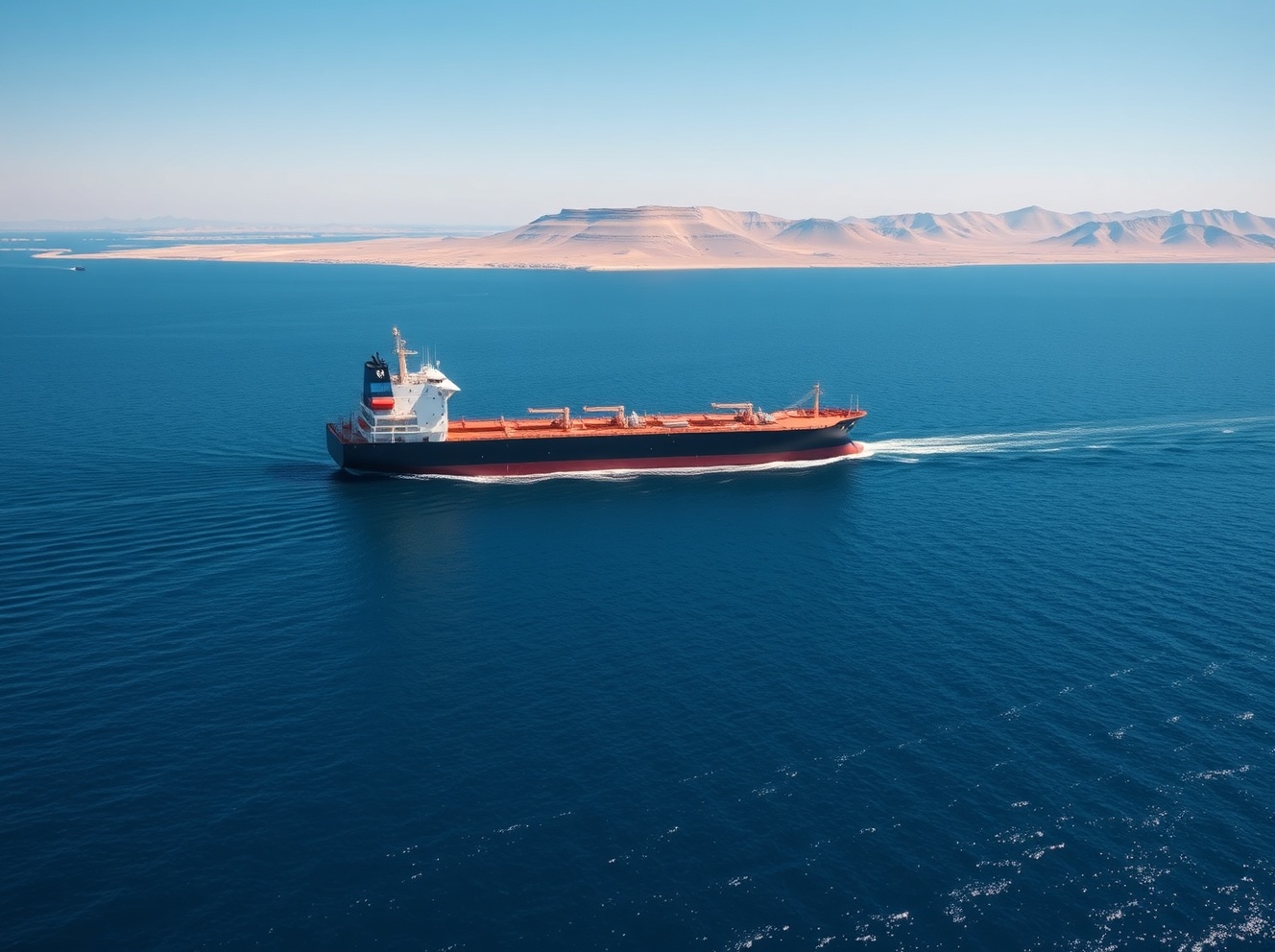
WTI Crude Oil Surges: Strait of Hormuz Supply Crisis Sends Prices Soaring to $85.50
Global energy markets face renewed volatility as West Texas Intermediate (WTI) crude oil futures maintain significant strength, trading firmly around $85.50 per barrel. This price resilience follows confirmed disruptions to maritime traffic through the critical Strait of Hormuz, a chokepoint for nearly one-fifth of the world’s oil supply. The situation, developing over recent days, underscores the fragile balance between global energy demand and geopolitical stability.
WTI Crude Oil Prices React to Geopolitical Strain
Market analysts immediately noted the correlation between the Strait of Hormuz incidents and the upward pressure on WTI benchmarks. Consequently, the front-month WTI contract has demonstrated notable resilience above the $85 threshold. Furthermore, trading volumes have spiked as institutional investors reassess risk premiums. The Brent-WTI spread has also tightened, indicating a synchronized global market response. Typically, supply shocks in the Middle East disproportionately affect Brent crude, but the interconnected nature of modern markets ensures a swift WTI reaction.
Historical data provides crucial context for the current price level. For instance, the $85.50 mark represents a key technical and psychological resistance zone not seen since the fourth quarter of the previous year. Market structure has shifted into a steeper backwardation, where near-term contracts trade at a premium to later dates. This pricing pattern signals immediate supply concerns. Key factors supporting the current price include:
- Reduced Tanker Traffic: Reported delays and rerouting of vessels transiting the Strait.
- Insurance Premium Surge: War risk insurance costs for the region have escalated sharply.
- Inventory Draws: Anticipation of draws on U.S. Strategic Petroleum Reserves and commercial stocks.
- Refinery Demand: Robust seasonal demand from refineries preparing for summer driving season.
The Strait of Hormuz: A Global Energy Chokepoint
The Strait of Hormuz, a narrow sea passage between Oman and Iran, functions as the world’s most important oil transit lane. Every day, tankers carrying approximately 21 million barrels of oil, liquefied natural gas, and other petroleum products navigate its waters. This volume represents about 20% of global oil consumption and a third of all seaborne traded oil. The geography of the strait, at its narrowest just 21 miles wide, creates an inherent vulnerability. Shipping lanes are confined to two-mile-wide channels for inbound and outbound traffic, making monitoring and potential disruption highly concentrated.
Historical Precedents and Current Triggers
Past incidents in the region have consistently triggered oil price spikes. For example, attacks on tankers in 2019 and the seizure of vessels have previously added a ‘security premium’ to oil prices. The current disruptions appear linked to heightened regional tensions, though specific causes remain under investigation by maritime authorities. The U.S. Energy Information Administration (EIA) has long flagged the strait as a critical infrastructure risk. Any sustained closure could remove millions of barrels per day from the market, overwhelming the world’s spare production capacity, which currently sits with a few OPEC+ members.
The immediate operational impact involves increased voyage times and costs. Tankers may be forced to take the longer route around the Cape of Good Hope, adding roughly 15 days to a journey from the Gulf to Europe or the Americas. This effectively reduces available tanker capacity and increases freight rates, costs ultimately passed through the supply chain. The following table illustrates key transit
| Metric | Figure | Significance |
|---|---|---|
| Daily Oil Flow | ~21 million barrels | 20-30% of global seaborne oil |
| LNG Flow | ~20% of global trade | Critical for Asian and European gas markets |
| Alternative Route | Africa’s Cape of Good Hope | Adds ~15 days and significant cost |
| Chokepoint Width | 21 miles (narrowest) | Easily monitored and potentially blocked |
Global Market Impacts and Expert Analysis
The ripple effects extend far beyond the WTI price quote. Firstly, European and Asian benchmarks like Brent and Dubai Crude have shown even stronger gains due to their direct reliance on Middle Eastern supplies. Secondly, downstream energy products, including gasoline, diesel, and jet fuel, are experiencing upward price pressure. This development threatens to reverse recent progress on global inflation. Financial markets are also reacting, with energy sector equities rising while transportation and airline stocks face headwinds.
Energy market specialists emphasize the systemic risk. “The Strait of Hormuz is the ultimate single point of failure for global oil logistics,” notes Dr. Anya Sharma, a senior fellow at the Global Energy Security Institute. “While the market has built some resilience through strategic reserves and diversified routes, a prolonged incident would test the entire system’s flexibility. The current price reaction is a rational reflection of this renewed physical risk premium.” Similarly, shipping analysts report that tanker owners are exercising caution, with some opting for temporary lay-ups awaiting clearer security assessments.
Broader Economic and Policy Implications
Policymakers in major consuming nations are closely monitoring the situation. The U.S. Department of Energy has stated it is prepared to authorize further releases from the Strategic Petroleum Reserve (SPR) if a sustained supply shortfall materializes. However, SPR levels are significantly lower than historical averages following previous releases, limiting this tool’s effectiveness. Concurrently, the International Energy Agency (IEA) may consider coordinating a release among its member countries. Central banks, which have been grappling with inflation, now face a potential new source of commodity-driven price pressures, complicating monetary policy decisions.
For oil-producing nations, the price surge presents a mixed picture. While higher revenues benefit exporters’ fiscal budgets, the instability threatens long-term demand. Energy companies are accelerating investments in logistics security and alternative supply routes. Meanwhile, the incident provides a stark reminder of the economic costs of energy dependence on geopolitically volatile regions, potentially accelerating investments in renewable energy and electric vehicle infrastructure as a strategic hedge.
Conclusion
In conclusion, WTI crude oil’s strength near $85.50 serves as a direct barometer of geopolitical risk materializing in the world’s most crucial oil transit corridor. The Strait of Hormuz disruptions highlight the enduring vulnerability of global energy supply chains to regional instability. While markets are absorbing the initial shock, the long-term price trajectory will depend on the duration of the disruptions and the efficacy of policy responses from consuming nations. This event reinforces the complex interplay between geography, energy security, and global economics, ensuring that the flow of oil through the Strait of Hormuz will remain a paramount concern for markets and governments alike.
FAQs
Q1: What is the Strait of Hormuz and why is it important for oil?
The Strait of Hormuz is a narrow maritime chokepoint between Oman and Iran. It is critically important because approximately 21 million barrels of oil per day, about 20-30% of global seaborne oil trade, pass through it. This makes it the world’s most significant oil transit lane.
Q2: How does a disruption in the Strait of Hormuz affect WTI crude oil prices?
WTI is a global benchmark. Although it is a U.S.-based crude, global oil markets are highly interconnected. A supply disruption in the Middle East reduces global available supply, increasing competition for crude from other regions, including those priced against WTI, thereby pushing its price higher.
Q3: What are the alternatives if the Strait of Hormuz is blocked?
The primary alternative for oil tankers is to reroute around the southern tip of Africa via the Cape of Good Hope. This adds roughly 15 days to a voyage and significantly increases shipping costs, but it is a viable, though inefficient, alternative route.
Q4: How do governments respond to such oil supply shocks?
Governments and international agencies like the IEA may coordinate releases from strategic petroleum reserves to increase immediate supply. They also engage in diplomatic efforts to de-escalate tensions and ensure the security of maritime passages.
Q5: Could this event accelerate the transition to renewable energy?
Analysts suggest that repeated oil price spikes driven by geopolitical instability strengthen the economic and security argument for diversifying energy sources. Such events can incentivize policy and investment aimed at reducing dependence on oil imports from volatile regions, potentially speeding up the adoption of alternatives.
This post WTI Crude Oil Surges: Strait of Hormuz Supply Crisis Sends Prices Soaring to $85.50 first appeared on BitcoinWorld.
You May Also Like

Stablecoin market hits $312B as banks, card networks embrace onchain dollars
Copy linkX (Twitter)LinkedInFacebookEmail

IP Hits $11.75, HYPE Climbs to $55, BlockDAG Surpasses Both with $407M Presale Surge!
